

Home / Business and Economy / Red Sea crisis forces global ships around South Africa
Red Sea crisis forces global ships around South Africa
1 Apr
Summary
- Global shipping traffic around South Africa's Cape of Good Hope is estimated to nearly double.
- Major shipping operators are diverting vessels from the Red Sea and Strait of Hormuz.
- Shipping costs have increased by 30 percent to 70 percent due to rerouting.
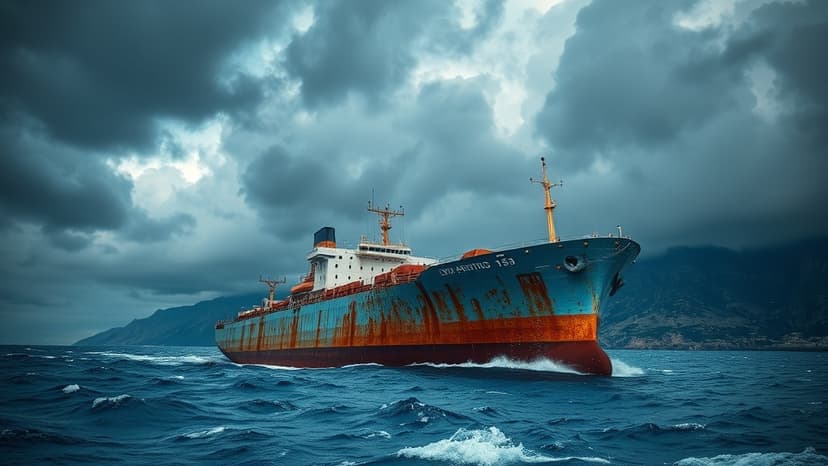
Global shipping operators, including major companies like Maersk, CMA CGM, and Hapag-Lloyd, have begun suspending transit through the Gulf. This decision stems from the U.S.-Israeli conflict in Iran, prompting a significant diversion of vessels around South Africa's Cape of Good Hope.
The Strait of Hormuz, which typically handles about 20 percent of the world's oil supply, has been inaccessible since late February. Concurrently, Houthi attacks in the Red Sea have further disrupted international shipping routes.
Maritime economist Brian Ingpen estimates that traffic through Southern Africa could nearly double. He noted that up to 150 ships daily, including regular traffic, might pass the Cape, similar to a year ago. This rerouting has already led to an estimated 30 percent to 70 percent increase in shipping costs.
South Africa's coastal areas are benefiting beyond just energy shipments. Offshore services, providing crucial support such as crew changes and urgent supplies, are the primary beneficiaries. This increased reliance on the Cape route signifies a return to historical maritime patterns, highlighting its enduring importance.
