Home / Business and Economy / S. Korea Yields Seen Stable Despite Oil Shock
S. Korea Yields Seen Stable Despite Oil Shock
9 Mar
Summary
- South Korean bond yields are unlikely to reach February highs.
- Central bank focus is on market stability, not immediate rate hikes.
- Inflows from FTSE Russell index inclusion to support bond market.
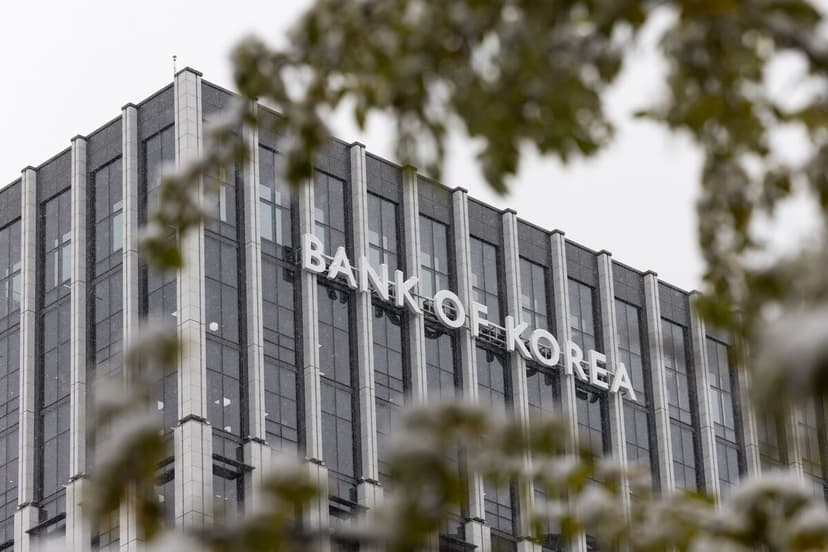
South Korean shorter-maturity bond yields are unlikely to surpass their February peaks, as the Bank of Korea (BOK) is prioritizing market stability over immediate interest rate increases. Strategists at firms like Citigroup and Societe Generale predict limited upward movement for yields.
While geopolitical tensions in the Middle East have heightened inflation concerns due to rising oil prices, the BOK's focus remains on balancing inflation risks against slowing growth. This delicate act means upcoming economic data is crucial for monetary policy direction. Market participants anticipate support for bonds from substantial foreign inflows expected through November, partly due to South Korea's inclusion in an FTSE Russell index in April.
Officials have held emergency meetings to monitor financial indicators and are prepared to act to prevent destabilizing market swings. The central bank is expected to manage volatility through coordination with financial authorities rather than aggressive rate hikes, potentially intervening if key yields rise significantly.