Home / Business and Economy / Gulf Tourists Embrace Russian Winter Adventures
Gulf Tourists Embrace Russian Winter Adventures
27 Feb
Summary
- Middle Eastern tourists experience husky sledding and hovercraft rides.
- Russia's tourism from Saudi Arabia and UAE has significantly increased.
- Sanctions impact payment methods, with cash being preferred.
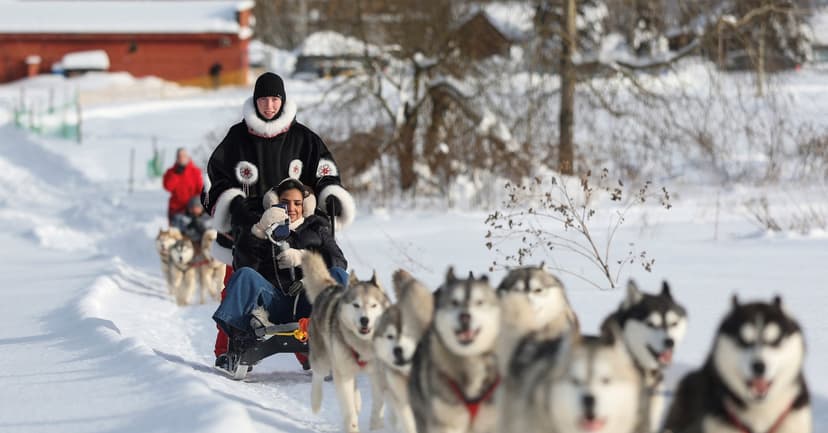
Russian winter tourism is experiencing a surge, particularly from visitors hailing from the Middle East. In areas outside Moscow, tourists from Oman, the UAE, and Qatar are engaging in unique activities such as husky dog sledding, hovercraft rides across frozen lakes, and feeding deer. These experiences offer a novel contrast to their home environments.
This rise in tourism is linked to Moscow's strategic pivot away from Western ties and towards closer relationships with global partners. Increased direct flights, visa-free regimes, and diplomatic engagements, including roles in prisoner exchanges, have facilitated this trend. While Chinese tourists remain the largest group, Saudi Arabia and the UAE have seen substantial increases in visitor numbers.
Visitors from the Gulf region are known to stay in upscale Moscow hotels and frequent high-end establishments. They often allocate significant budgets for additional services, though limitations on cash imports due to Western sanctions mean that transactions are predominantly made in cash, as international payment systems do not operate in Russia.
Despite ongoing geopolitical challenges, including periodic airport closures due to drone attacks, the Russian tourism sector reported overall growth in 2025. The appeal of distinctive winter activities and Russia's efforts to foster international connections continue to draw visitors seeking new and memorable experiences.