Home / Business and Economy / Russia's Oil Output Dips Amid Sanctions, Drone Strikes
Russia's Oil Output Dips Amid Sanctions, Drone Strikes
12 Mar
Summary
- Russian crude output fell for the third month to 9.184 million barrels daily.
- US sanctions and Ukrainian drone attacks impacted domestic refineries.
- Middle East conflict may increase Russian crude production in March.
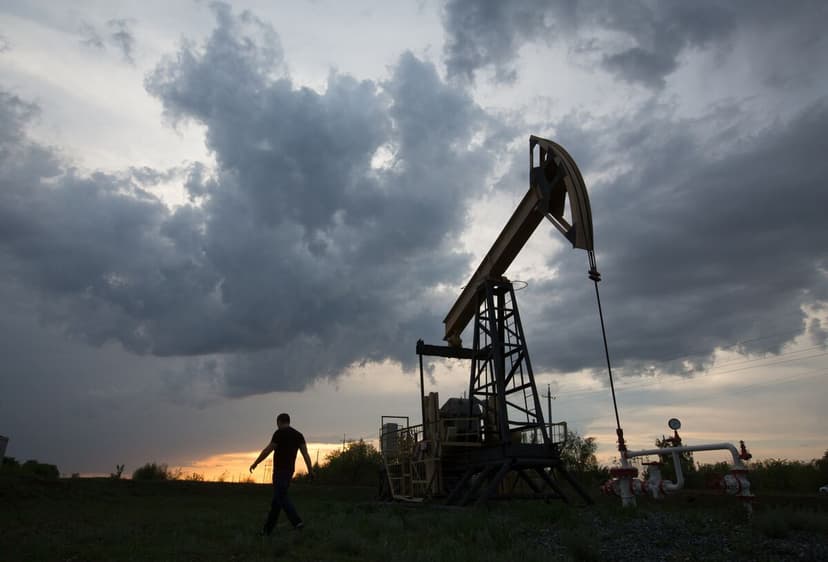
Russian crude output has seen a decline for three consecutive months, with February's average production falling to 9.184 million barrels per day. This marks the lowest level since August of the previous year and represents a decrease of 56,000 barrels daily from January's reduced output. The drop is significantly below Russia's agreed-upon production limit under the OPEC+ agreement.
This downturn is largely attributed to Western energy sanctions impacting demand and Ukrainian drone strikes that have halted or partially disabled several major Russian refineries. Concurrently, geopolitical shifts in the Middle East, particularly disruptions through the Strait of Hormuz, may present an opportunity for Russia. As regional producers cut output, Russia's oil, which bypasses the Strait, could see increased demand.
India, a key buyer, has resumed purchasing Russian crude after receiving a temporary US waiver, snapping up approximately 30 million barrels in the spot market. This could signal further potential easing of US sanctions. Looking ahead, Russian refinery operations are expected to recover in March as damaged facilities are repaired and the domestic industry prepares for increased agricultural demand.