feedzop-word-mark-logo
searchLogin
Feedzop
homeFor YouIndiaIndia
You
bookmarksYour BookmarkshashtagYour Topics
Trending
trending

Delhi pollution source study ordered

trending

Markets decline on fund outflows

trending

India-South Africa betting arrests

trending

Starlink announces India pricing

trending

Sensex, Nifty slip on profit

trending

SSC CGL Tier 1 results

trending

Japan earthquake triggers tsunami alert

trending

Praggnanandhaa wins FIDE Circuit

Terms of UsePrivacy PolicyAboutJobsPartner With Us

© 2025 Advergame Technologies Pvt. Ltd. ("ATPL"). Gamezop ® & Quizzop ® are registered trademarks of ATPL.

Gamezop is a plug-and-play gaming platform that any app or website can integrate to bring casual gaming for its users. Gamezop also operates Quizzop, a quizzing platform, that digital products can add as a trivia section.

Over 5,000 products from more than 70 countries have integrated Gamezop and Quizzop. These include Amazon, Samsung Internet, Snap, Tata Play, AccuWeather, Paytm, Gulf News, and Branch.

Games and trivia increase user engagement significantly within all kinds of apps and websites, besides opening a new stream of advertising revenue. Gamezop and Quizzop take 30 minutes to integrate and can be used for free: both by the products integrating them and end users

Increase ad revenue and engagement on your app / website with games, quizzes, astrology, and cricket content. Visit: business.gamezop.com

Property Code: 5571

Home / Business and Economy / Burger Chef's Downfall: A Fast-Food Cautionary Tale

Burger Chef's Downfall: A Fast-Food Cautionary Tale

17 Nov

•

Summary

  • Burger Chef was a major competitor to McDonald's in the 1950s-1960s
  • Burger Chef was acquired by General Foods Inc. in 1968 for $16 million
  • General Foods Inc. sold Burger Chef to Hardee's/Carl's Jr. in 1981 for $44 million
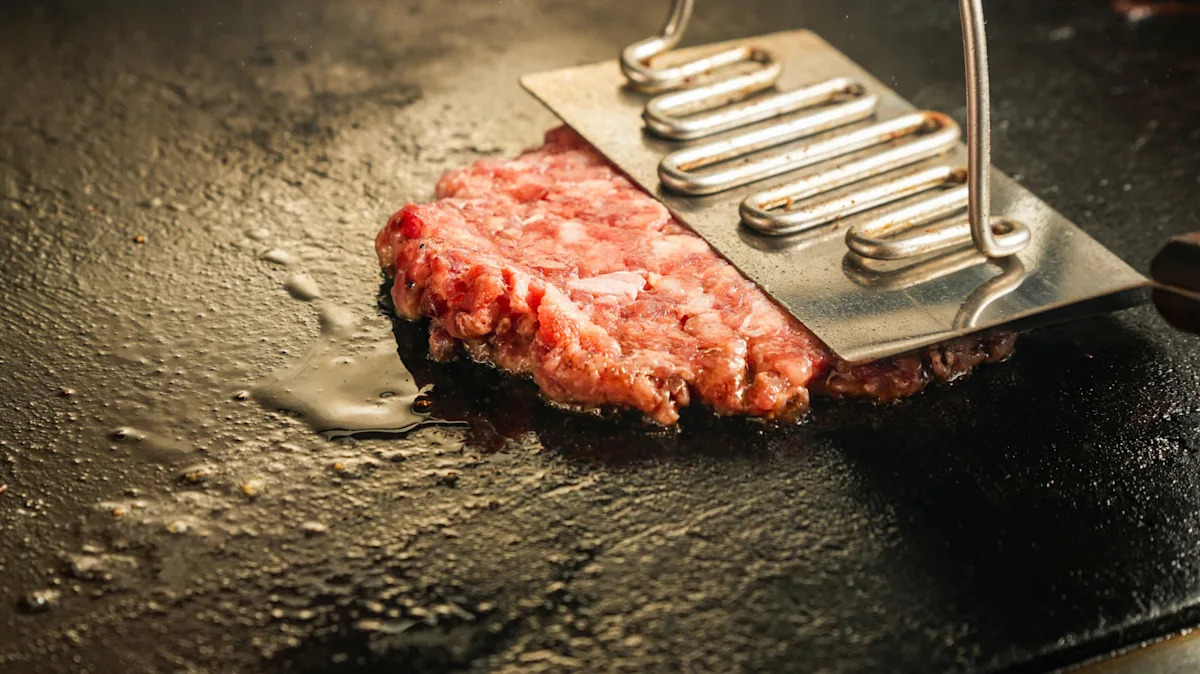
Burger Chef's Downfall: A Fast-Food Cautionary Tale

Back in the mid-to-late 1900s, the fast-food landscape was not entirely dominated by McDonald's. One of its main competitors was Burger Chef, a company that aimed to elevate the quality and experience of the popular burger-and-fries format.

Burger Chef was founded in Indianapolis in the 1950s and quickly gained a reputation for its detail-oriented approach and commitment to innovation. The chain introduced the "Triple Threat" deal, allowing customers to buy a combo of fries, a burger, and a drink for just 45 cents. This innovative spirit and focus on quality helped Burger Chef become a formidable challenger to McDonald's.

However, Burger Chef's success was short-lived. In 1968, the company was acquired by General Foods Inc. for over $16 million. This merger ultimately led to Burger Chef's downfall. Under General Foods' ownership, the chain struggled to maintain its unique culture and innovative edge. Attempts to rebrand the restaurant resulted in an $83 million loss for General Foods in 1971, leading to the early retirement of the company's CEO.


Struggling financially, General Foods sold Burger Chef to Hardee's/Carl's Jr. in 1981 for $44 million. This change in ownership marked the beginning of the end for the once-promising burger chain. The Burger Chef story serves as a cautionary tale about the importance of preserving a company's culture and values, even in the face of growth and acquisition.

Disclaimer: This story has been auto-aggregated and auto-summarised by a computer program. This story has not been edited or created by the Feedzop team.
Burger Chef, a fast-food chain that rivaled McDonald's in the 1950s-1960s, was acquired by General Foods Inc. in 1968 for over $16 million. However, under General Foods' ownership, Burger Chef struggled to maintain its innovative culture, leading to an $83 million loss for the parent company in 1971.
After the 1968 acquisition, General Foods failed to preserve Burger Chef's unique company culture and commitment to quality and innovation. This led to Burger Chef's financial struggles, with General Foods eventually selling the chain to Hardee's/Carl's Jr. in 1981 for $44 million.
The Burger Chef story serves as a cautionary tale about the importance of preserving a company's culture and values, even in the face of growth and acquisition. Maintaining the core elements that made a business successful is crucial for long-term sustainability.

Read more news on

Business and Economyside-arrowIndianapolisside-arrow

You may also like

Millions of Bags of Cheese Recalled: High-Risk Hazard!

3 Dec • 26 reads

article image

Big Food's Ozempic Dilemma: Fight or Adapt?

1 Dec • 48 reads

article image

Thanksgiving Open: Which Chains Serve Holiday Meals?

26 Nov • 62 reads

article image

Kroger Quits Florida: Online Hub Closes Jan 2026

22 Nov • 94 reads

article image

Tom Ryan: The Secret Ingredient to Fast Food Hits

18 Nov • 98 reads

article image