Home / Business and Economy / Soul Food: The Secret Weapon of the Civil Rights Movement
Soul Food: The Secret Weapon of the Civil Rights Movement
17 Feb
Summary
- Black-owned restaurants provided crucial safe spaces during the Civil Rights Movement.
- These establishments offered refuge, affirmation, and financial support to activists.
- Eateries like Paschal's and Dooky Chase's were strategic meeting points for planning.
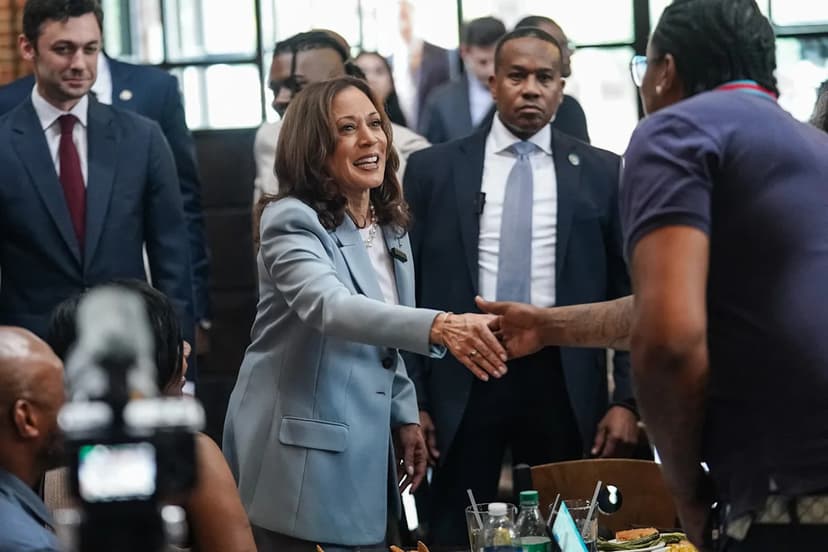
Black-owned restaurants played an indispensable role in the Civil Rights Movement, serving as more than just dining establishments. In the years leading up to the 1964 Civil Rights Act, places like Paschal's Restaurant & Coffee Shop in Atlanta became clandestine hubs for civil rights leaders. These restaurants provided a safe environment for crucial meetings and planning sessions, offering refuge and support to activists.
From the 1950s and 1960s, these culinary institutions across the South offered a unique blend of nourishment and strategic advantage. Restaurants such as Dooky Chase's in New Orleans and Brenda's Bar-Be-Que Pit in Montgomery became vital to the movement's infrastructure. They not only fed activists but also served as crucial fundraising sites and spaces for community gathering, free from the discrimination faced elsewhere.
These establishments, including the Four Way Grill in Memphis and the Big Apple Inn in Jackson, Mississippi, provided a secure base for revolutionary activity. Owners, often Black families running their own businesses, possessed the autonomy to welcome all patrons and facilitate movement operations. This covert network of public spaces, fueled by food and shared purpose, was essential in advancing the cause of civil rights.