Home / Business and Economy / Food Packaging Evolves: Safety Meets Green Goals
Food Packaging Evolves: Safety Meets Green Goals
2 Dec
Summary
- Packaging prioritizes safety with tamper-evident seals and antimicrobial coatings.
- Sustainability drives shift to lightweight, recyclable, and plant-based materials.
- Convenience features like microwave-safe and easy-open designs are crucial.
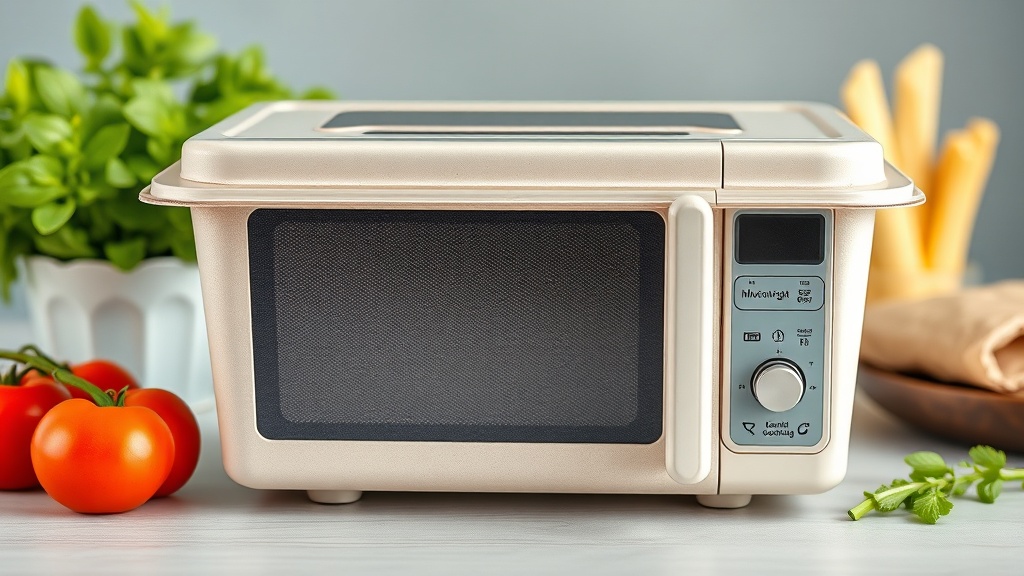
The ready-to-eat food packaging sector is transforming, driven by consumer desire for convenience, environmental concerns, and technological advancements. Businesses are actively seeking packaging solutions that are safe, efficient, and environmentally responsible to remain competitive and comply with regulations.
Ensuring food safety and extending shelf life are paramount. Materials like PET and polypropylene offer strong barrier properties, complemented by innovations such as antimicrobial coatings and modified-atmosphere packaging. These advancements reduce spoilage without excessive preservatives, crucial for products traveling long distances.
Sustainability is a major catalyst for change, with stricter regulations in regions like the UK and EU pushing for recyclable and compostable packaging. This has led to a rise in lightweight designs, mono-material films, and plant-based alternatives, though careful material selection is vital to maintain product freshness. The industry is increasingly focusing on a balanced approach, integrating safety, sustainability, and convenience.