Home / Business and Economy / Protein Bar Lawsuit: Is Your Snack a Lie?
Protein Bar Lawsuit: Is Your Snack a Lie?
14 Mar
Summary
- Lawsuit claims protein bar significantly exceeds its listed calories.
- Founder claims lawsuit misunderstands FDA ingredient evaluation.
- Experts warn of 'health halo' in the booming protein snack market.
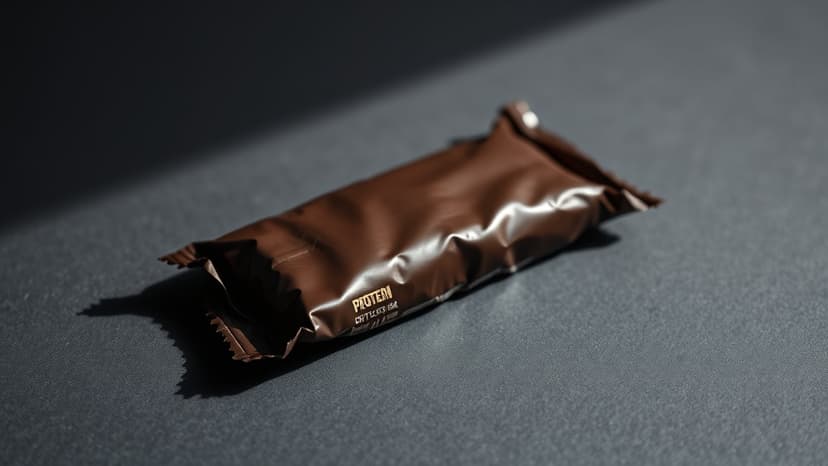
A protein bar marketed for its low-calorie, high-protein content is now the subject of a class-action lawsuit. The legal action alleges that the product's actual calorie and fat content significantly exceeds what is stated on its packaging. Flavors like red velvet and fudge brownie have been popular among fitness enthusiasts seeking convenient snacks.
Online nutrition communities have reacted to the news, with some members expressing that the allegations confirm their prior suspicions about the bar's nutrition facts. The founder of the company has publicly stated that the lawsuit misunderstands how the U.S. Food and Drug Administration evaluates certain ingredients for nutritional labeling.
Nutrition experts highlight this controversy as indicative of broader issues within the rapidly growing protein snack industry. They suggest that many products benefit from a 'health halo,' which can distract consumers from a thorough assessment of their overall nutritional quality. These experts recommend spreading protein intake throughout the day with whole-food sources rather than relying on processed snacks.
Consumers are advised to scrutinize nutrition labels, looking for a favorable ratio of protein to calories, minimal added sugar, and ideally, some fiber. The lawsuit is in its initial stages, and the company intends to contest the claims in court.