

Home / Business and Economy / Private Credit Faces Storm: Billions Pulled Amidst Global Fears
Private Credit Faces Storm: Billions Pulled Amidst Global Fears
3 Apr
Summary
- Investors seek to withdraw $5.4 billion from Blue Owl Capital funds.
- Bank of England flags risks from Iran conflict and financial fault lines.
- Insurers' deep ties to private credit raise concerns for US Treasury.
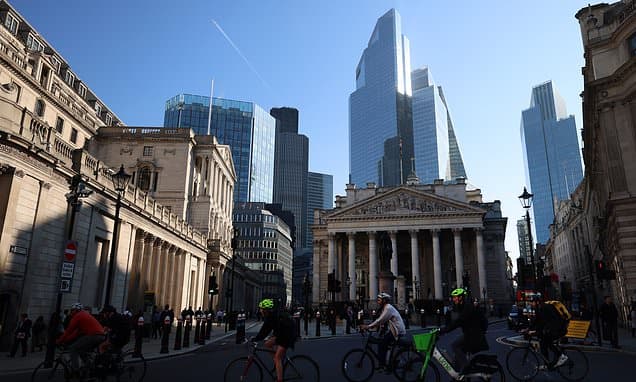
The private credit sector, which grew significantly after the 2008 financial crisis, is experiencing a notable downturn. Investors are increasingly seeking to withdraw substantial sums, with Blue Owl Capital facing demands totaling $5.4 billion from two of its main funds in the last quarter. This trend indicates a growing loss of confidence in this large, less regulated market, with investors in other firms like Blackstone also looking for exits.
The Bank of England has issued a warning, highlighting that ongoing global conflicts, specifically mentioning the US war with Iran, could amplify existing risks within private credit and the broader financial system. While direct risks to mainstream banks are considered limited, significant concern surrounds insurance companies. These firms have developed intricate relationships with private credit, prompting the US Treasury to schedule meetings with international insurance regulators to evaluate the potential fallout.
Life insurance companies, though not prone to immediate bank-style runs, might be at risk if they have not adequately capitalized for potential losses. Some insurers with substantial exposure, including Athene and Global Atlantic, are notably affiliated with major private credit players like Apollo and KKR. While a 2008-style meltdown is not universally predicted, the situation warrants careful monitoring and caution.
Separately, the article references the anniversary of protectionist trade policies enacted a year ago. These tariffs, initially intended to safeguard American jobs, have had mixed results, with imports shifting to other Asian countries rather than decreasing overall. This protectionist stance, along with broader geopolitical tensions, has contributed to instability in financial markets. The article also touches upon social issues, linking rising numbers of young people not in education, employment, or training (NEETs) to increased societal disruption, citing examples of youth disturbances in London.
