Home / Business and Economy / Ports Offer Relief Amidst West Asia Crisis
Ports Offer Relief Amidst West Asia Crisis
7 Mar
Summary
- Ports may reduce or waive charges due to the West Asia crisis.
- A new SOP establishes nodal officers for swift issue resolution.
- Ports can permit transshipment cargo and offer priority handling.
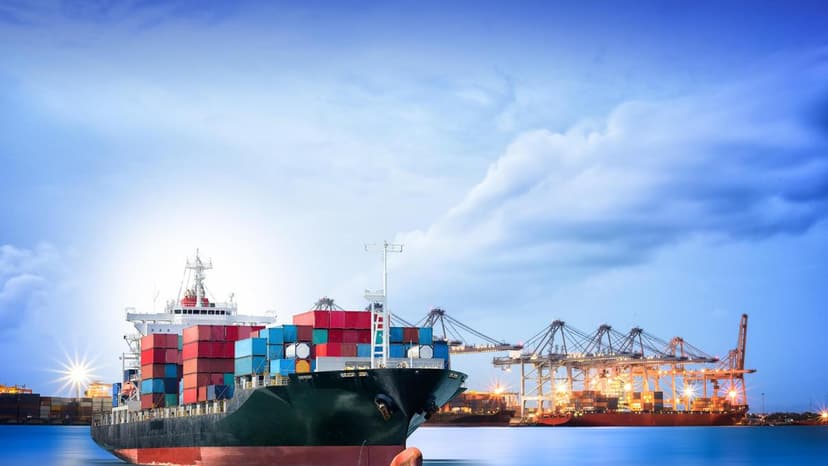
In response to the escalating West Asia crisis, India's Union Shipping, Ports and Waterways Ministry has rolled out a new Standard Operating Procedure (SOP) for ports. This initiative aims to streamline the handling of issues arising from the geopolitical situation.
Each port will now appoint a dedicated nodal officer, at the Head of Department or Deputy Head of Department level, to serve as a single point of contact. This officer will be responsible for escalating matters to the competent authority and ensuring action within a 24-72 hour timeframe.
The ministry has also advised ports to consider various facilitation measures. These include evaluating requests for the reduction, waiver, or remission of storage rent and vessel change charges on a case-by-case basis. Ports may also permit cargo destined for the Middle East to be treated as transshipment cargo and allocate additional storage space if necessary.
Further measures include facilitating the berthing of ad-hoc vessels for Middle East-bound transshipment cargo and expediting the 'Back to Town' movement of export cargo. Ports are directed to offer priority handling for perishable cargo and export cargo returning from the Middle East. They are also encouraged to explore additional bunkering capacity where feasible.
Implementation of these measures requires close coordination between ports and agencies like Customs and DGFT to ensure timely execution. Port chairpersons are mandated to hold regular meetings with stakeholders, including shipping lines and terminal operators, to monitor the situation and address concerns effectively.