Home / Business and Economy / Rent, Don't Buy: Fashion's New Eco-Chic
Rent, Don't Buy: Fashion's New Eco-Chic
23 Feb
Summary
- Pickle app allows peer-to-peer apparel rental for trendy, affordable fashion.
- Owners earn income while renters access high-end items at a fraction of cost.
- The platform offers a sustainable alternative to fast fashion's environmental impact.
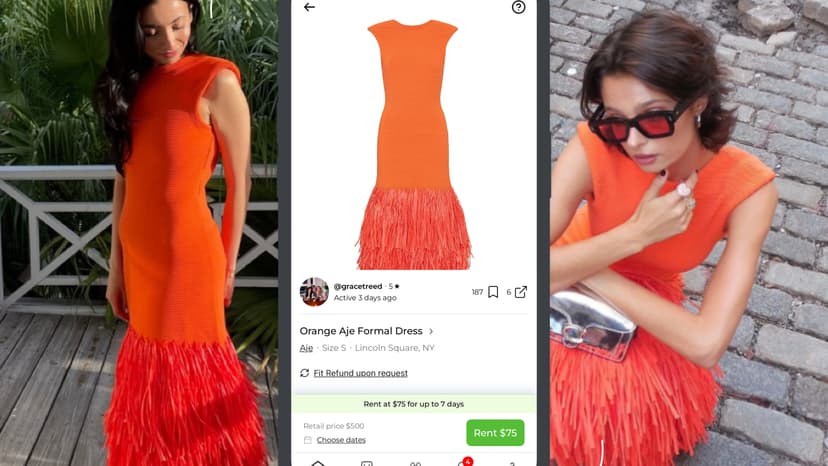
Pickle has emerged as a novel solution in the rapidly growing apparel rental market, allowing individuals to rent fashion items directly from their owners. This peer-to-peer model offers a cost-effective and environmentally conscious alternative to fast fashion and traditional rental services. Users can access trending styles without the commitment of purchasing or the recurring fees of subscriptions.
The app's founders, Halley Kate McGookin and Julia O'Mara, initially envisioned a polling platform but pivoted in 2022 to facilitate peer-to-peer rentals and resale. Owners set their own rental fees and are responsible for cleaning, while Pickle handles logistics like courier services and shipping. A protection policy is in place to cover issues such as late returns or damage.
Pickle addresses the immense environmental cost of fast fashion, with brands like Shein emitting significant amounts of carbon dioxide. By enabling local rentals, the platform has facilitated a 67 percent reduction in long-distance shipments this year alone. This model benefits both renters, who save substantially, and owners, some of whom are reportedly earning $10,000 to $15,000 monthly.
Users like Emma Dykes have found success by listing purchased items, like a $2,000 bridal dress, on Pickle, recouping costs and generating income. This approach fosters a sense of community, as exemplified by content creator Kendal Chandler helping a client rent over $15,000 worth of ski attire for just $1,058. Pickle enables consumers to look fashionable while limiting their environmental impact and supporting others.