

Home / Business and Economy / Physical Oil Prices Hit Records Despite Ceasefire
Physical Oil Prices Hit Records Despite Ceasefire
9 Apr
Summary
- Physical crude oil prices reached new record highs on Wednesday.
- Major oil futures contracts plunged significantly following a U.S.-Iran ceasefire.
- Supply disruption fears are driving up prices for prompt replacement crudes.
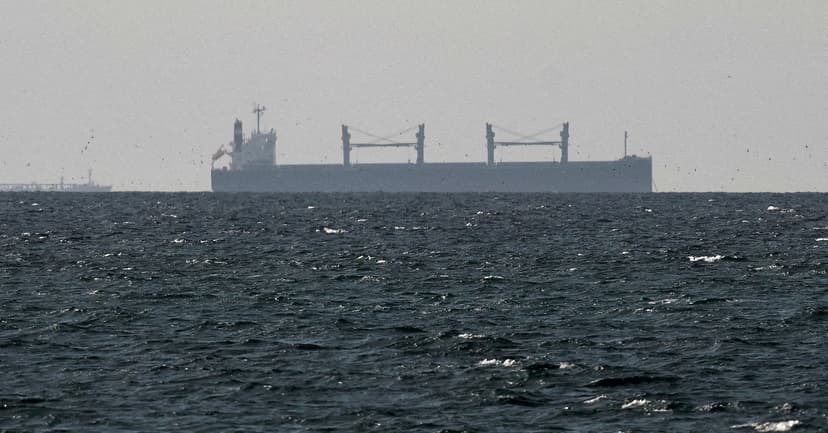
European and African crude oil prices surged to record levels on Wednesday, even as oil futures experienced a steep decline following a U.S.-Iran ceasefire announcement on Tuesday. The ceasefire led to a significant drop in major benchmark contracts, with Brent and WTI futures falling substantially below $100 a barrel.
Despite the futures market's reaction, physical oil prices have not followed suit, with some even rising. The outright price of North Sea Forties crude hit an all-time high of $146.43 a barrel on Thursday. This divergence underscores robust demand from Asian and European refiners for non-Middle East barrels, pushing prompt replacement crude prices higher and signaling anticipation of sustained supply disruptions.
Analysts suggest that a return to a full supply chain could take months, explaining the ongoing disparity between physical and paper oil markets. Premiums for crude oil cargoes have also reached historic highs due to Iran's continued near-closure of the Strait of Hormuz and attacks on regional energy infrastructure.
Consultancy Energy Aspects noted that a temporary ceasefire is unlikely to prompt immediate restarts of refineries and fields, given the risk of renewed shutdowns. In the North Sea, key grades like Brent, Oseberg, Ekofisk, and Troll saw record premiums, as did U.S. WTI Midland crude delivered to Europe. Angolan Cabinda crude in West Africa also reached a record high premium.
