Home / Business and Economy / PetroChina Navigates Strait of Hormuz Disruption
PetroChina Navigates Strait of Hormuz Disruption
30 Mar
Summary
- About 10% of PetroChina's supplies transit the Strait of Hormuz.
- The company's supply chains remain stable despite disruptions.
- Middle East investments impacted, but contingency plans are in place.
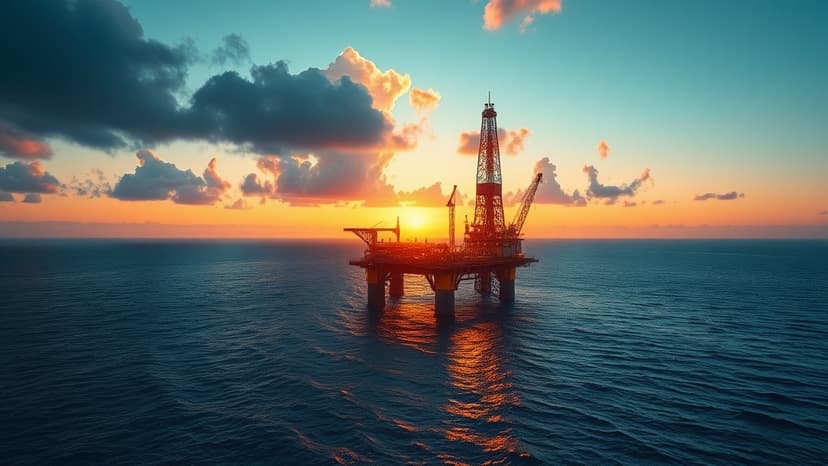
PetroChina, a leading oil and gas producer in Asia, reported that its operations are largely unaffected by the escalating conflict in the Middle East. Chairman Dai Houliang confirmed on Monday, March 30, 2026, that only about 10% of the company's crude oil and natural gas supplies are transported through the Strait of Hormuz. This critical waterway, which handles approximately 20% of global oil and gas, has faced significant disruptions due to regional warfare.
Dai emphasized that the remaining 90% of PetroChina's supply chain relies on domestic production, pipeline imports, equity shares from projects outside the Middle East, and long-term contracts. This diverse sourcing strategy allows the company to maintain stable and high operating rates for its oil and gas processing and sales. He assured reporters that PetroChina can sustain these operations for an extended period.
While the company's investments in Middle Eastern countries like Iraq, the UAE, and Oman have been impacted by the ongoing war, PetroChina has developed contingency plans. These strategies involve leveraging trading activities to ensure the continuity of supplies, mitigating the effects of any potential disruptions stemming from the conflict in the region.


