

Home / Business and Economy / Scarcity Heuristic: How Fear Fuels Empty Shelves
Scarcity Heuristic: How Fear Fuels Empty Shelves
29 Mar
Summary
- Johnny Carson's 1973 toilet paper joke sparked US panic buying.
- Scarcity heuristic makes items psychologically more valuable.
- Media reports of shortages can create negative social norms.
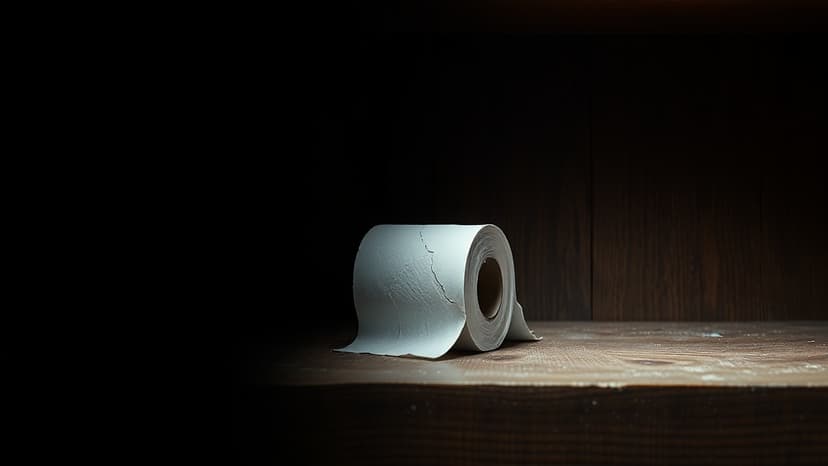
The scarcity mindset, often leveraged by advertisers, can instigate panic buying during perceived shortages. A humorous remark by Johnny Carson in December 1973 about toilet paper scarcity ironically led to real shortages in the United States. This phenomenon echoes historical events, such as consumers stockpiling goods during the 1970s energy crisis and the 1962 Cuban missile crisis.
Psychological factors, including the "scarcity heuristic," drive this behavior. This heuristic suggests that perceived low supply increases an item's psychological value. E-commerce uses this by displaying "only one left" messages. Current fuel shortages, exacerbated by geopolitical events, drive up prices and perceived demand.
Psychologists note that an inability to tolerate distress or uncertainty can fuel stockpiling. While individuals may not see themselves as selfish, their actions can impact vulnerable populations. Perceived risk and social norms, reinforced by media imagery of queues and full trolleys, also play significant roles.
Experts advise against public shaming or simply telling people not to panic buy, as it can be counterproductive. Instead, emphasizing collective responsibility and appealing to values like generosity can be more effective. Highlighting the needs of essential services, like ambulances and fire trucks, can encourage more considerate purchasing behavior.
