Home / Business and Economy / Pakistan's medicine prices soar: availability up, affordability down
Pakistan's medicine prices soar: availability up, affordability down
19 Jul
Summary
- Government deregulated prices of non-essential medicines in February 2024.
- Patients are forced to buy fewer medicines due to increased costs.
- The policy aims to improve availability but creates affordability issues.
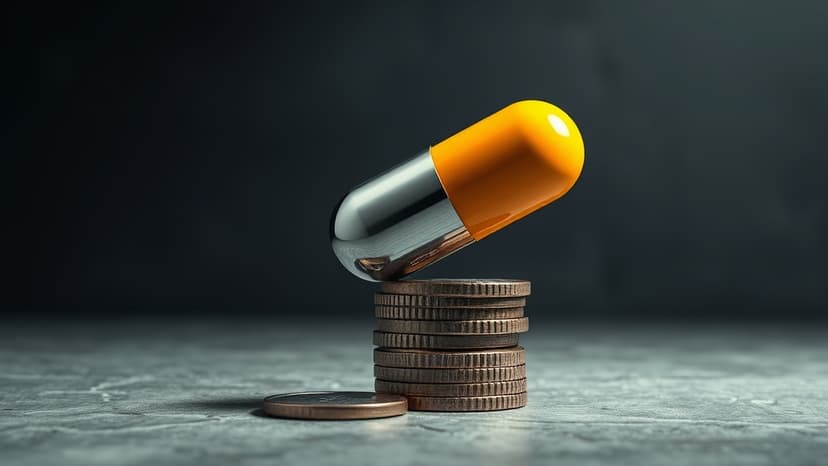
In February 2024, Pakistan deregulated the prices of non-essential medicines, a move intended to address widespread shortages. Pharmaceutical companies, previously bound by price caps that sometimes fell below production costs, now set their own prices for these drugs. This policy change has reportedly restored medicine availability across the country, with regulators confirming a decline in counterfeit drugs and increased patient access to quality treatments.
However, the deregulation has resulted in a significant price surge for many medications, creating an affordability crisis for patients. Daily wage earners and middle-class families are struggling to meet monthly healthcare expenses. Pharmacists report customers returning prescriptions due to high costs, leading patients to halve doses or forgo treatment. Experts criticize the distinction between essential and non-essential drugs, arguing it exacerbates health inequalities.
This situation reflects Pakistan's broader healthcare challenges, marked by high out-of-pocket expenditures and a lack of universal coverage. While pharmaceutical companies cite rising global costs as a reason for price increases, patient advocates argue for urgent subsidies and targeted support. The crisis of scarcity may be over, but the new challenge of making medicines affordable has left many patients facing difficult choices.


