Home / Business and Economy / Oil Shocks Markets: Stocks Recover, But Stagflation Fears Linger
Oil Shocks Markets: Stocks Recover, But Stagflation Fears Linger
10 Mar
Summary
- Oil prices exceeded $100 per barrel, causing market anxiety.
- G7 nations pledged to release strategic reserves to stabilize prices.
- Economists debate whether oil price spikes will fuel lasting inflation.
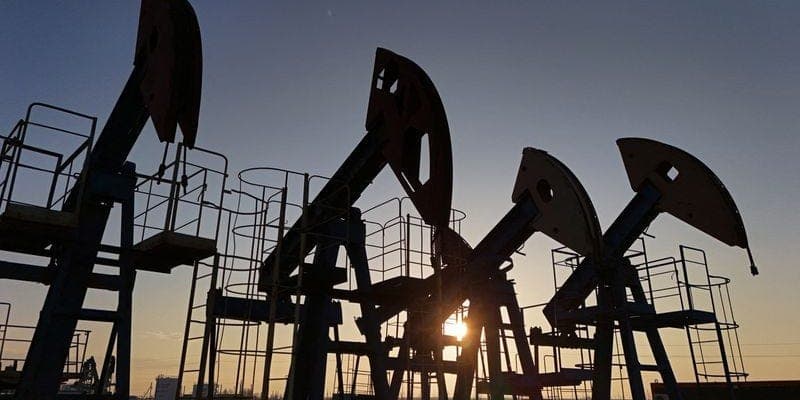
In the wake of oil prices surpassing the critical $100-a-barrel mark, global markets experienced significant volatility. Major stock indexes, however, managed to close trading sessions positively as oil prices receded. This recovery followed a commitment from G7 nations to release strategic oil reserves if necessary, alongside reassurances from President Donald Trump regarding a conflict's status.
Despite the short-term market resilience, concerns about prolonged economic instability persist. Veteran Wall Street analyst Ed Yardeni adjusted his outlook, increasing the probability of a stock market downturn and referencing the specter of stagflation, a condition last seen during the 1970s oil crisis.
Conversely, some economists argue that fears of persistent inflation driven by oil prices are overstated. Pantheon Macroeconomics suggests that the current US labor market's fragility limits employers' ability to significantly raise wages, thereby capping inflationary pressures. Energy economist Daniel Yergin also expressed optimism, believing the global economy possesses greater resilience than often acknowledged.
The ultimate impact hinges on the duration of the oil market disruption. A prolonged closure of key shipping routes like the Strait of Hormuz would pose a greater challenge to markets and the economy than a temporary price increase. Analysts note that only substantial and sustained oil price hikes historically trigger persistent inflationary cycles.
In response to potential price shocks, governments are offering advice on mitigating their effects, including reducing non-essential travel and embracing flexible work arrangements. However, the practicality of such suggestions, particularly avoiding fuel consumption, is questionable in areas with inadequate public transportation infrastructure.


