Home / Business and Economy / Middle East Tensions Flare, Oil Prices Surge
Middle East Tensions Flare, Oil Prices Surge
20 Jul
Summary
- US military casualties in Jordan and Iraq spark market concern.
- Shipping through the Strait of Hormuz has significantly decreased.
- Refinery damage tightens global diesel and gasoline supplies.
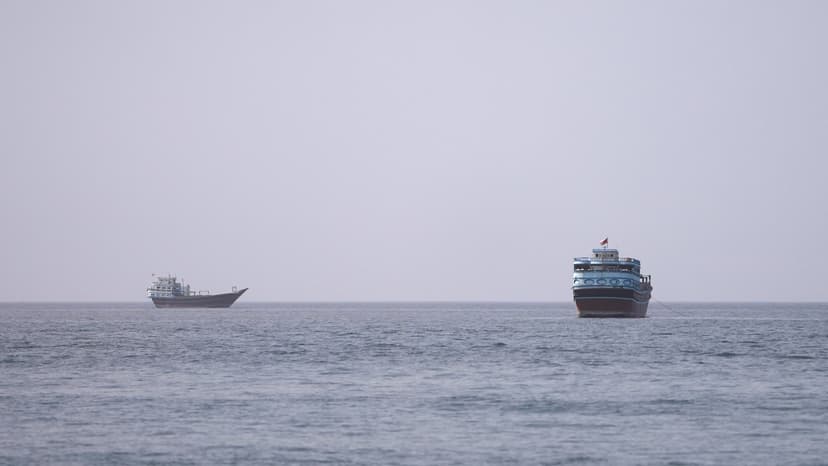
Oil prices surged on Sunday evening as tensions escalated in the Middle East following recent U.S. military casualties in Jordan and Iraq. The United States has increased its military presence in the region, signaling a potential escalation of the conflict. This development comes at a critical juncture for global energy markets, which are already experiencing tighter supplies.
Shipping through the vital Strait of Hormuz has notably declined, and regional energy infrastructure, including oil facilities in Kuwait, has been targeted. Simultaneously, damaged Russian refineries due to Ukrainian attacks have further constrained the availability of transportation fuels like diesel. These factors are contributing to upward pressure on oil prices, with benchmarks Brent crude and West Texas Intermediate crude experiencing significant gains.
Gasoline prices have also seen a slow but steady rise, impacting drivers across the United States. The increase in fuel costs is partly attributed to the strain on global refinery operations, with many facilities offline or producing at reduced capacity due to damage sustained in conflict zones and elsewhere. Investors are closely monitoring developments, including shipping volumes, Chinese oil purchases, and the impact of ongoing conflicts on energy infrastructure.


