Home / Business and Economy / Silent Riders: Nigeria's Fuel Price Hike Spurs Electric Bike Boom
Silent Riders: Nigeria's Fuel Price Hike Spurs Electric Bike Boom
16 Aug
Summary
- Electric motorcycles offer significant savings on fuel and maintenance.
- Soaring fuel prices followed Nigeria's May 2023 fuel subsidy removal.
- Unreliable electricity supply is a major hurdle for wider adoption.
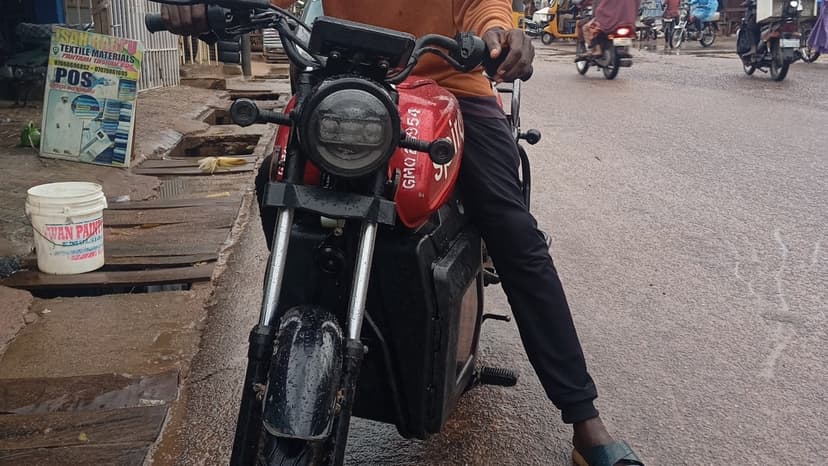
In Gombe, Nigeria, the streets are witnessing a subtle shift in transportation as electric motorcycles gain traction. This change is largely driven by the significant surge in fuel prices after President Bola Tinubu removed the nation's fuel subsidy in May 2023. Petrol prices escalated dramatically to around 1,365 naira per litre, impacting daily commutes and livelihoods.
Early adopters of electric motorcycles highlight substantial savings, with riders estimating weekly fuel cost reductions of about 5,000 naira. These bikes, costing approximately 1 million naira, also reduce maintenance expenses like engine oil changes. However, the upfront cost remains a barrier for many Nigerians.
A significant challenge to the widespread adoption of electric motorcycles is Nigeria's inconsistent electricity supply. Many households receive only a few hours of power daily, raising concerns about charging feasibility. Experts suggest solar-powered battery-swap stations as a more viable solution than home charging.
As electric mobility expands, Nigeria faces the need for battery recycling infrastructure and government support. Reducing import duties on electric bike components and integrating electric mobility with solar projects are crucial steps. Despite current limitations, the quiet hum of electric motorcycles may soon become a more common sound, signalling a greener transport future.


