feedzop-word-mark-logo
searchLogin
Feedzop
homeFor YouIndiaIndia
You
bookmarksYour BookmarkshashtagYour Topics
Trending
Terms of UsePrivacy PolicyAboutJobsPartner With Us

© 2026 Advergame Technologies Pvt. Ltd. ("ATPL"). Gamezop ® & Quizzop ® are registered trademarks of ATPL.

Gamezop is a plug-and-play gaming platform that any app or website can integrate to bring casual gaming for its users. Gamezop also operates Quizzop, a quizzing platform, that digital products can add as a trivia section.

Over 5,000 products from more than 70 countries have integrated Gamezop and Quizzop. These include Amazon, Samsung Internet, Snap, Tata Play, AccuWeather, Paytm, Gulf News, and Branch.

Games and trivia increase user engagement significantly within all kinds of apps and websites, besides opening a new stream of advertising revenue. Gamezop and Quizzop take 30 minutes to integrate and can be used for free: both by the products integrating them and end users

Increase ad revenue and engagement on your app / website with games, quizzes, astrology, and cricket content. Visit: business.gamezop.com

Property Code: 5571

Home / Business and Economy / Mongolia's Cashmere Boom: A Fragile Future

Mongolia's Cashmere Boom: A Fragile Future

24 Dec, 2025

•

Summary

  • Millions of goats have led to widespread desertification of pastures.
  • Herders are deeply indebted and vulnerable to a single storm.
  • The cashmere market's demand risks unsustainable livelihoods.
Mongolia's Cashmere Boom: A Fragile Future

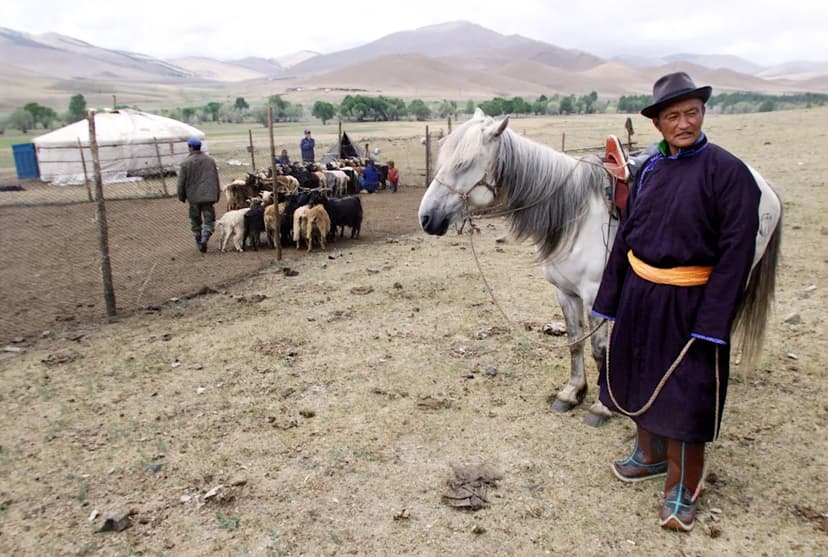
Mongolia's once-thriving cashmere trade now faces a critical threat of collapse. Following the Soviet Union's dissolution, the nation embraced global markets, leading many small herders to abandon diverse livestock for goats, capitalizing on the surging demand for cashmere. This shift propelled Mongolia to become the world's second-largest producer, significantly increasing output over three decades.

While this export boom has improved the quality of life for many herders, it has also exposed them to considerable precarity. The grazing pressure from 22 million goats has severely degraded the landscape, with 76% of pastures now showing signs of desertification. This environmental crisis directly impacts the herders' ability to sustain their livelihoods.

Many herders find themselves indebted, living on the edge where a single adverse weather event could lead to the loss of their entire herds. The immense global appetite for cashmere, while initially a boon, has created a system where herders feel exploited by the very market that has defined their work, leading to a growing sentiment that their profession is becoming fundamentally unsustainable.

trending

Chelsea beats West Ham 3-2

trending

Liverpool, Newcastle face injury woes

trending

WWE Royal Rumble in Riyadh

trending

Barcelona faces Elche in LaLiga

trending

Goretzka staying at Bayern Munich

trending

ICC T20 World Cup squads

trending

Gold, silver ETFs crashed

trending

Curran, Pandya T20Is stats compared

trending

Suryakumar Yadav T20I record

Disclaimer: This story has been auto-aggregated and auto-summarised by a computer program. This story has not been edited or created by the Feedzop team.
The overgrazing by 22 million cashmere goats has led to widespread desertification of Mongolian pastures.
The cashmere market improved herders' lives but also led to debt and an unsustainable reliance on goat farming.
Currently, the industry faces sustainability challenges due to severe environmental degradation and herder debt.

Read more news on

Business and Economyside-arrow

You may also like

Viral App Checks If You're Still Alive

14 Jan • 89 reads

article image

Kazakhstan Braces for Arctic Blast: -40°C Chill Grips Nation

15 Jan • 105 reads

article image

EU Targets Oil Traders Aiding Russia's Shadow Fleet

16 Dec, 2025 • 250 reads

article image

France Repatriates Looted Gobi Desert Dinosaur Fossil

8 Dec, 2025 • 245 reads

article image

Russia & India Forge Deeper Space Alliance

3 Dec, 2025 • 372 reads

article image