Home / Business and Economy / Milan's Olympic Legacy: Growth, Housing, and Debate
Milan's Olympic Legacy: Growth, Housing, and Debate
24 Feb
Summary
- Milan's Olympic legacy includes new facilities and a boosted global image.
- Investments totaling 4 billion euros were made for the Games and related infrastructure.
- Concerns arise over rising housing costs due to major events and luxury developments.
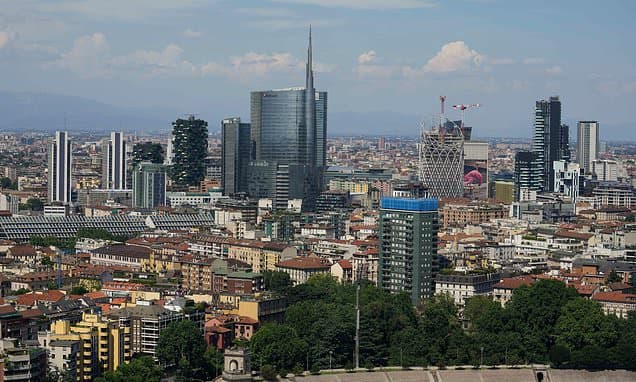
Milan has embraced its role as an Olympic city, augmenting its reputation as Italy's fashion and finance hub. This designation caps two decades of significant growth, reshaping the city's skyline and fostering increased investment, tourism, and cultural vibrancy.
The Milan Cortina Winter Games are contributing to this legacy through both tangible improvements and an enhanced global image. This follows the success of Expo 2015, which also spurred investment and attracted international talent.
Initial data suggests around 4 billion euros were invested in the Games, covering new sports facilities, transportation upgrades, and operational costs. Milan specifically allocated 735 million euros for its events, with visitor spending projected at 1 billion euros.
This transformation is rooted in redevelopment projects initiated in the early 2000s, including the CityLife and Porta Nuova districts, which introduced modern skyscrapers and revitalized urban spaces.
Expo 2015 drew 22 million visitors, repositioning Milan as a major tourist destination. Tourism has continued to grow, with visitor numbers reaching 9.6 million in 2025.
The city has also expanded its cultural and transit offerings, adding new subway lines and museums, and tripling its number of five-star hotels.
However, this rapid development has sparked criticism regarding rising real estate prices, with activists calling for policies to address housing affordability and vacant properties.
The Olympic Village, part of the Porta Romana railyard redevelopment, will provide housing for 1,700 students post-Games, with half of the new development designated as social housing.
This regeneration extends to former industrial sites, fostering fashion hubs and attracting major brand headquarters.
The Games are also expected to reignite interest in winter sports and promote physical activity, mirroring initiatives from the Paris Olympics.
The enthusiasm for ice sports remains strong, with plans to maintain temporary ice rinks and potentially build new permanent facilities.