Home / Business and Economy / Mercedes-Benz Faces 3rd Price Hike Amidst Weakening Rupee
Mercedes-Benz Faces 3rd Price Hike Amidst Weakening Rupee
23 Jul
Summary
- The rupee's weakening against the euro necessitates a third price increase for Mercedes-Benz this year.
- Import costs have risen significantly due to a 15-20% euro depreciation over 12-18 months.
- Mercedes-Benz is expanding its plug-in hybrid offerings due to customer concerns about EVs.
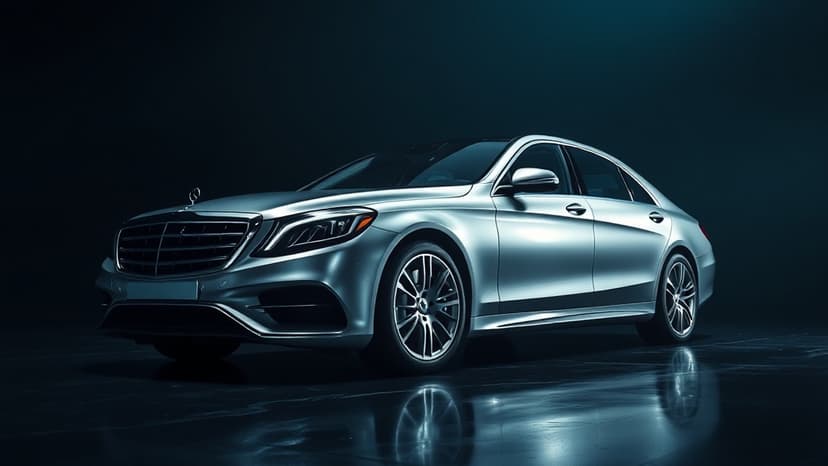
Mercedes-Benz India is implementing its third price increase of 2026, driven by the continued weakening of the rupee against the euro. This marks the second price adjustment in the current year, following previous hikes.
Managing Director and CEO Santosh Iyer highlighted that the rupee has depreciated by approximately 15-20% against the euro in the last 12 to 18 months. This significant currency shift has substantially increased the cost of imported components and completely built units (CBUs) for the company.
Despite strategic efforts to offset these rising costs through enhanced localization and operational efficiencies, the prevailing euro exchange rate of around Rs 110 has rendered another price revision inevitable. The company stated it remains committed to minimizing the financial impact on its customers.
In parallel, Mercedes-Benz is advancing its product strategy with a technology-neutral approach, rather than exclusively focusing on electric vehicles (EVs). While EV adoption is growing, particularly in the top-end portfolio and the new CLA segment, approximately three-fourths of luxury car buyers express reservations about EVs.
Concerns regarding charging infrastructure, driving range, and residual values persist among potential buyers. To bridge this gap, Mercedes-Benz is intensifying its focus on plug-in hybrid models, which offer a blend of electric driving capabilities and the flexibility of combustion engines. The latest AMG plug-in hybrid can achieve up to 100 kilometers on electric power alone, providing a compelling option for those not yet fully committed to all-electric mobility.
Furthermore, the company has ensured its vehicles are prepared for higher ethanol blending levels. Since the BS-VI transition, all Mercedes-Benz cars sold in India have been E20-compliant. Additionally, all new models launched from January 2026 are compatible with E25 fuel. The company also addressed recent concerns about fuel quality, attributing them to isolated contamination cases rather than ethanol blending itself.


