Home / Business and Economy / Memory Costs Squeeze Phone Sales
Memory Costs Squeeze Phone Sales
28 Nov • 1 read
Summary
- Smartphone sales decreased by 9% in Q3 2026 year-over-year.
- Apple's market share rose to 57% while competitors declined.
- High memory component costs impact affordability for consumers.
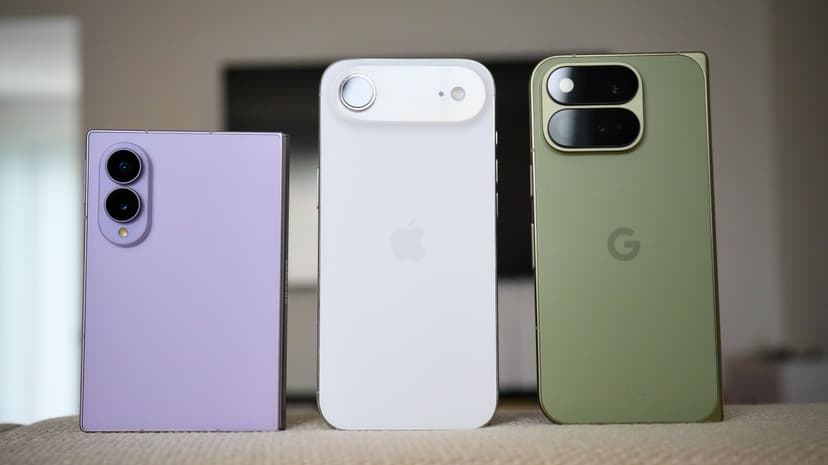
Smartphone sales have seen a significant slump, with a 9% decrease in the third quarter of 2026 compared to the same period in 2025. This downturn is primarily attributed to escalating memory component costs, which are making lower-priced Android phones less profitable for manufacturers. Consequently, these companies are forced to either absorb higher production expenses or reduce sales volume.
Amidst this challenging market, Apple has experienced a notable increase in its market share, growing from 50% to 57%. This rise comes as competitors, including Motorola and Google, see their market presence diminish. The high cost of memory, driven by demand from the AI industry and data center expansion, is affecting not only smartphones but also other electronics.
Industry analysts predict that sales will remain subdued through the upcoming quarter. The crucial holiday shopping season may not provide the usual boost, as overall phone prices remain elevated. US carriers are expected to be more selective with promotions, and consumers are increasingly considering refurbished or second-hand devices as alternatives to new, costly smartphones.


