Home / Business and Economy / Maine Loggers Battle Tariffs, Falling Demand
Maine Loggers Battle Tariffs, Falling Demand
14 Dec, 2025
Summary
- Tariffs and poor markets hurt Maine's forest products supply chain.
- Woodland Pulp halted purchases after Canadian timber tariffs.
- Expensive machinery costs strain logging operations.
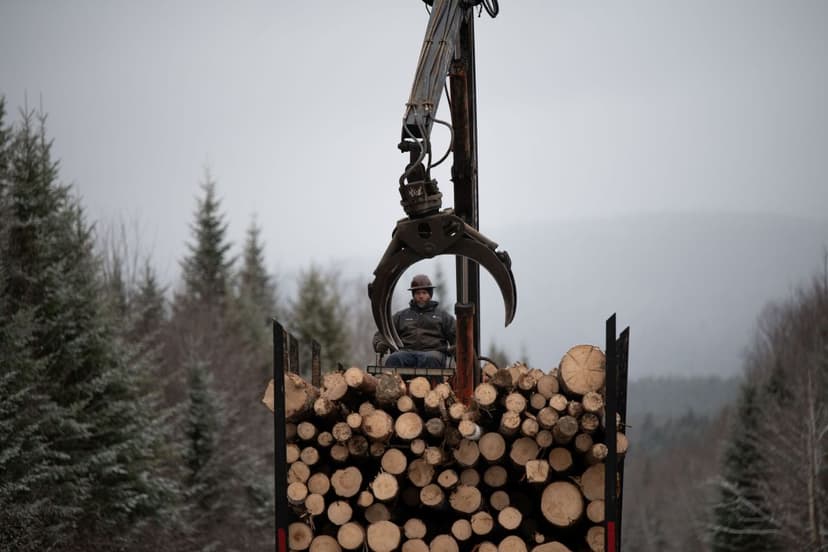
The early freeze in Maine's northern Oxford County signifies the start of the winter logging season, yet it brings little relief to an industry grappling with economic challenges. Loggers like Andy Irish face increasing operational costs due to expensive imported machinery and the lingering effects of recent tariffs. These financial pressures are compounded by a declining demand for essential pulpwood, a critical component of the forest products supply chain.
The forest products industry in New England is experiencing a significant downturn, primarily driven by a combination of federal tariffs and deteriorating market conditions. The ripple effect of these issues is felt across the entire supply chain, from individual loggers to large-scale processing mills. This challenging environment is forcing many businesses to operate at a reduced capacity or absorb substantial financial losses.
Industry linchpins have been particularly affected; for instance, Woodland Pulp's decision to stop buying timber following a tariff on Canadian wood led to significant layoffs. While some workers may be reinstated, the mill's reduced purchasing power continues to impact loggers and woodlot owners. Experts note that curtailments at mills directly decrease demand for wood, affecting every segment of the industry.