Home / Business and Economy / Bowling Monopoly Lawsuit Rocks Lucky Strike Entertainment
Bowling Monopoly Lawsuit Rocks Lucky Strike Entertainment
9 May
Summary
- Lawsuit accuses Lucky Strike of predatory tactics and market dominance.
- Customers cite rising prices and declining experience quality nationwide.
- Lucky Strike, formerly Bowlero, operates over 360 North American bowling alleys.
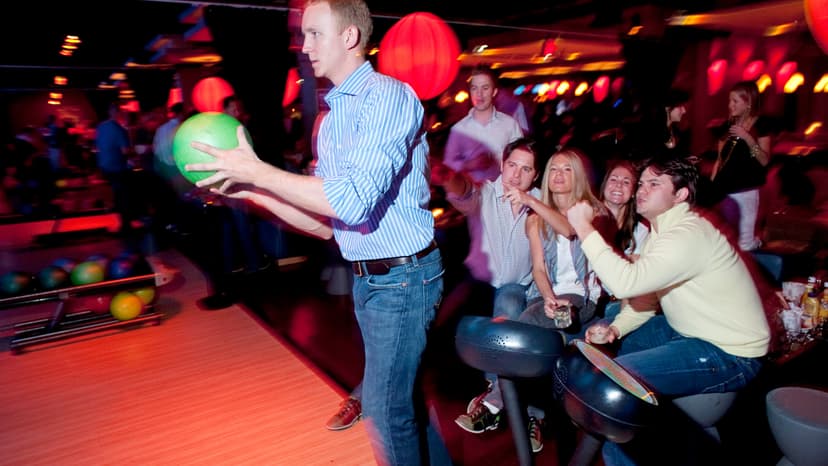
A significant lawsuit has been filed against Lucky Strike Entertainment Corporation by bowlers across the United States, accusing the company of establishing a bowling monopoly. The suit alleges a "predatory approach" through "unlawful acquisition" of competitors, leading to what plaintiffs call "the veritable destruction of the decades-old pastime of bowling in America."
Plaintiffs highlight issues such as increased prices and a degraded customer experience, citing examples of broken equipment, un-oiled lanes, and higher costs for services nationwide. The lawsuit, filed in U.S. District Court in Seattle, seeks class-action status and an undisclosed amount in damages.
Lucky Strike, which operates more than 360 bowling alleys, was formerly known as Bowlero. The company's strategy reportedly involves a "mousetrap" business model focusing on upselling food and beverages after initial entry. The lawsuit also accuses the company of promoting gambling through "center-based 'monetization' apps."
The company's history includes the acquisition of AMF Bowling Centers and Brunswick Corporation's bowling center business. In 2019, Bowlero acquired the Professional Bowlers Association, a move the lawsuit claims altered the market structure to disadvantage competitors.
Recent acquisitions include Bowl America for $44 million in 2021, with price increases noted at several acquired locations. For instance, prices for lanes, food, and beverages reportedly tripled at one alley, and two hours of bowling for three people in Seattle cost $285 in 2023. The company rebranded as Lucky Strike Entertainment in late 2024, adopting the ticker symbol "LUCK."
Lucky Strike has also faced a federal investigation into allegations of age discrimination and retaliation. Customers like Laura Hampton express concern that the company prioritizes open play over leagues, potentially creating financial barriers for future generations of bowlers.


