feedzop-word-mark-logo
searchLogin
Feedzop
homeFor YouIndiaIndia
You
bookmarksYour BookmarkshashtagYour Topics
Trending
trending

Sri Lanka cyclone death toll

trending

Bajaj Finance shares tumble

trending

RIL share price reaches high

trending

Silver price hits all-time high

trending

GTA 6 trailer leak

trending

India Post parcels thrown carelessly

trending

Gold prices rise today

trending

Wockhardt pharmaceutical company operations

trending

Poll official BLO dies by suicide

Terms of UsePrivacy PolicyAboutJobsPartner With Us

© 2025 Advergame Technologies Pvt. Ltd. ("ATPL"). Gamezop ® & Quizzop ® are registered trademarks of ATPL.

Gamezop is a plug-and-play gaming platform that any app or website can integrate to bring casual gaming for its users. Gamezop also operates Quizzop, a quizzing platform, that digital products can add as a trivia section.

Over 5,000 products from more than 70 countries have integrated Gamezop and Quizzop. These include Amazon, Samsung Internet, Snap, Tata Play, AccuWeather, Paytm, Gulf News, and Branch.

Games and trivia increase user engagement significantly within all kinds of apps and websites, besides opening a new stream of advertising revenue. Gamezop and Quizzop take 30 minutes to integrate and can be used for free: both by the products integrating them and end users

Increase ad revenue and engagement on your app / website with games, quizzes, astrology, and cricket content. Visit: business.gamezop.com

Property Code: 5571

Home / Business and Economy / Japan Bets Big on Nuclear Power's Risky Revival

Japan Bets Big on Nuclear Power's Risky Revival

1 Dec

•

Summary

  • Japan reactivates nuclear power plants after 15 years, driven by energy needs.
  • Economic pressures and demand for AI power accelerate nuclear restart.
  • Public fear over past disasters creates a delicate balance for Japan.
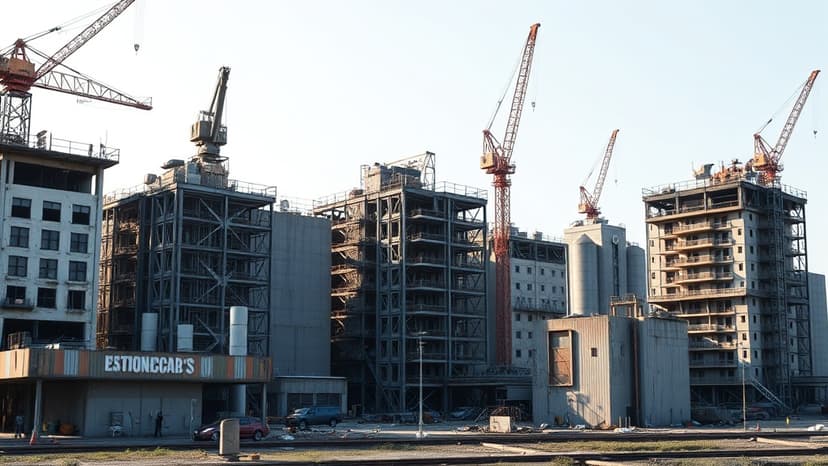
Japan Bets Big on Nuclear Power's Risky Revival

Japan is strategically recommissioning its nuclear power plants, 15 years after the catastrophic Fukushima disaster. The nation, still processing the trauma of the atomic bombings, faced significant economic fallout from the 2011 earthquake and tsunami, which crippled three nuclear reactors. The subsequent rejection of nuclear power led to increased reliance on imported fossil fuels and an unsustainable energy mix.

Driven by escalating electricity demand for AI and data centers, coupled with global energy market volatility, Japan's leaders now view nuclear power as a crucial solution. Despite ongoing public fear and anti-nuclear activism, 14 of the 54 shut-down reactors are already online, with plans to reach 20% nuclear generation by 2040.

The government is investing in new reactor technologies, like small modular reactors, to ensure a stable, affordable, and independent energy supply. While acknowledging the risks, Japan has calculated that nuclear energy is a necessary component of its future energy security in an unstable world.

Disclaimer: This story has been auto-aggregated and auto-summarised by a computer program. This story has not been edited or created by the Feedzop team.
Japan is restarting nuclear plants to meet increasing energy demands for AI and industry, reduce reliance on costly fossil fuel imports, and ensure a stable energy supply.
Public reaction is mixed, with significant fear and emotional trauma stemming from the Fukushima disaster and historical atomic bomb experiences, creating a delicate balance for the government.
Japan aims to generate 20% of its electricity from nuclear power by the year 2040, significantly increasing its current output.

Read more news on

Business and Economyside-arrow

You may also like

Monsoon Mayhem: Asia's Deadly Floods Stranding Thousands

1 day ago • 4 reads

article image

China Ignites Clean Energy Future With Thorium Reactor

1 day ago • 6 reads

article image

UK Faces Climate Emergency: Scientists Warn of Catastrophe

27 Nov • 18 reads

article image

Chernobyl's Haunting Legacy: Abandoned Cities Frozen in Time

13 Nov • 14 reads

article image

Typhoon Kalmaegi's Destruction Coincides with Global Climate Talks

7 Nov • 70 reads