

Home / Business and Economy / Energy Crisis Fuels Japan's Nuclear Comeback
Energy Crisis Fuels Japan's Nuclear Comeback
19 Apr
Summary
- Japan restarts its 16th nuclear reactor post-Fukushima accident.
- Geopolitical tensions increase reliance on nuclear energy.
- Public opinion remains divided on nuclear power's future.
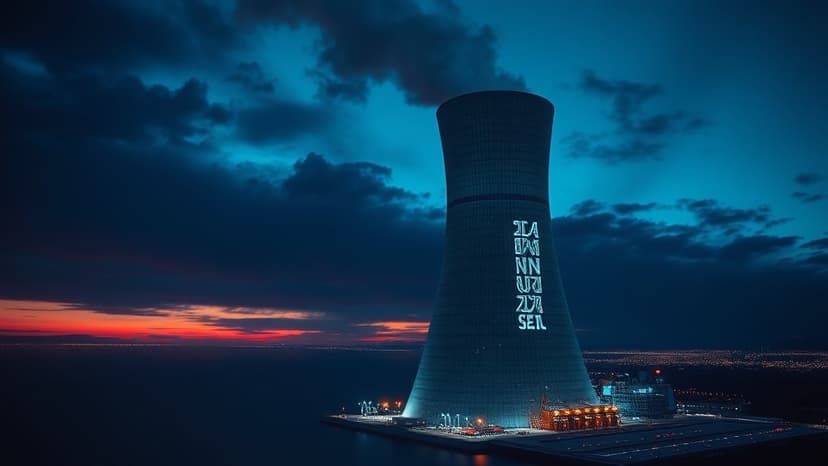
Japan is accelerating its nuclear power program, with its 16th reactor set to restart, a significant pivot since the 2011 Fukushima Daiichi disaster. This move is largely driven by escalating electricity demands from artificial intelligence and the unstable supply of imported natural gas, exacerbated by foreign conflicts. The war in Ukraine and recent events in the Persian Gulf have further highlighted the vulnerability of Japan's energy imports.
Tokyo Electric Power Company (Tepco), the utility responsible for the Fukushima meltdown, has reactivated its Kashiwazaki-Kariwa nuclear plant. This restart has met with protests from environmental groups and local residents concerned about safety and Tepco's past handling of the Fukushima incident. However, economic factors and the need for stable energy are significant drivers for these restarts.
Public sentiment in Japan remains mixed, with a considerable portion of the population uncertain or opposed to nuclear power, despite government ambitions to double its output by 2040. The accident in 2011 led to widespread evacuations and long-term environmental challenges, leaving deep scars on communities like Futaba and Tomioka.
The regulatory framework for nuclear power in Japan has been significantly reformed to ensure independence, a key lesson learned from the Fukushima incident. This contrasts with the U.S. approach, where regulatory independence has seen recent changes. Japan's energy strategy now emphasizes nuclear power as a crucial component for energy security and meeting climate goals.
