


Home / Business and Economy / Oil Shock Threatens Japanese Earnings
Oil Shock Threatens Japanese Earnings
13 Apr
Summary
- Japanese firms face bleak outlook as oil prices surge due to failed US-Iran peace talks.
- Downgrades in earnings forecasts for Topix 500 companies exceed upgrades for the first time since July.
- Strait of Hormuz blockage disrupts over 90% of Japan's crude oil imports, increasing vulnerability.
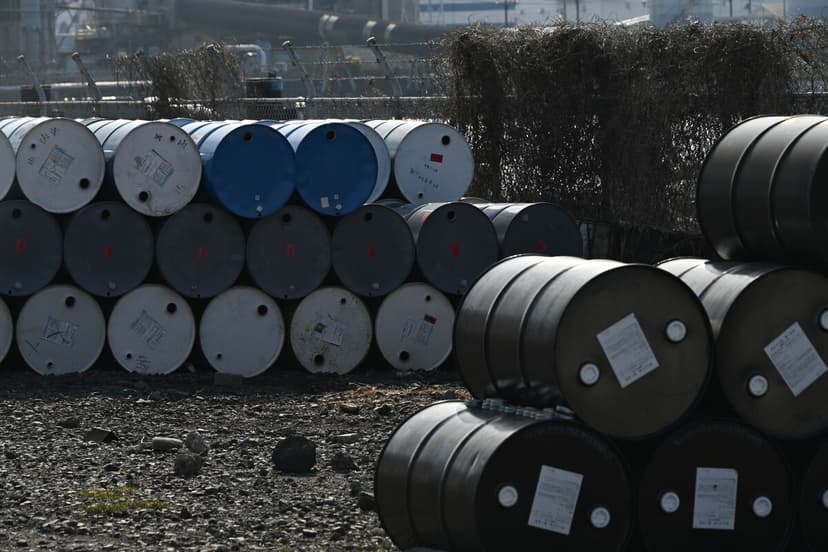
Japanese firms are navigating an increasingly grim earnings season, with forecasts being downgraded as crude oil prices escalate due to stalled US-Iran peace negotiations. Last week, analysts revised forecasts downward for 113 companies within the Topix 500 index, marking the first time since July that downgrades have outnumbered upgrades.
Sectors dependent on oil, such as chemical manufacturers, are particularly exposed. The ongoing disruption at the Strait of Hormuz, a critical waterway for over 90% of Japan's crude oil imports, exacerbates this vulnerability. Nomura Securities has consequently reduced its earnings projections for major companies like Kao Corp. and Unicharm Corp.
Retailers have initiated the earnings season with a cautious tone, anticipating higher living costs due to increased oil prices. Saizeriya Co. experienced a significant stock decline after lowering its profit guidance, while Aeon Co., despite exceeding expectations, highlighted concerns over escalating energy and logistics expenses.
Since late February, Japan's stock market has underperformed, with the Nikkei 225 showing double the realized volatility of the S&P 500. This heightened volatility is attributed to Japan's substantial reliance on Middle Eastern oil. Analysts suggest that US equities may offer a safer investment, given lower oil dependency.
However, European investors might consider Japanese stocks as an alternative to US shares, especially as distrust in the US government grows due to the Iran conflict. Additionally, April is traditionally a strong month for Japanese stocks as foreign investors purchase securities with dividend income from US and European companies.
The ultimate trajectory of Japanese stocks hinges on the timely reopening of the Strait of Hormuz. Even if oil prices fall to around $80 per barrel, the impact on consumer prices will remain significant.
