Home / Business and Economy / Homes Swallowed by Data Centers in Japan
Homes Swallowed by Data Centers in Japan
26 Nov
Summary
- Data centers cast long shadows, impacting residents' views and mental well-being.
- Japan's loose regulations attract investment, but density raises concerns.
- Residents fight data centers over noise, heat, and safety in residential areas.
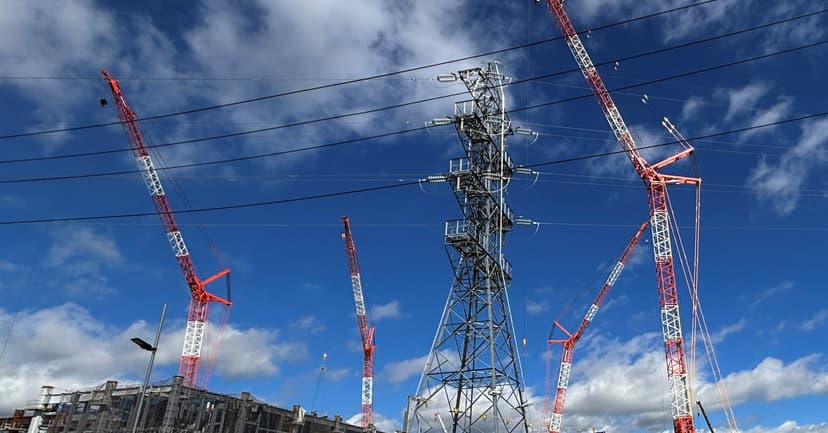
Until recently, Susumu Goto's home in Kashiwa, Japan, offered views of open fields. Now, 31-meter tall data centers dominate his vista. These facilities, owned by asset manager PAG, regularly test backup generators, filling the air with smoke and the smell of burning fuel. "Every morning when I step outside, my whole view is swallowed up by the buildings," Goto stated, noting the oppressive feeling.
Japan's stable political climate and relaxed regulations have made it a prime location for data center investment. However, approximately 60% of these facilities are concentrated in the densely populated Tokyo metropolitan area, home to 37 million people. Growing resident opposition has led to a review of the industry, which the government views as crucial for economic growth. An action plan to address disputes is expected by year-end, with industry groups and local governments developing best-practice guidelines.
In Tokyo's Koto ward, Ayano Sasaki fears the completion of a 51-meter data center by Empyrion Digital in 2029. Her apartment building is mere meters away from the site, which will store 1.2 million liters of heavy oil underground. The area is designated as flood-prone and high-risk for earthquakes. Sasaki expressed disbelief that such a facility can be built without specific regulations, as residents have appealed to Tokyo for binding rules on noise, heat, fuel safety, and placement.
Inzai city residents, including Junichi Takeda, are taking legal action against data center construction. Colt Data Centre Services is building a facility just 11 meters from Takeda's apartment. Plaintiffs argue the project was wrongly classified as an office, bypassing stricter zoning for factories or warehouses. Their lawyer, Satoshi Oikawa, states Japan lacks proper laws, leading to data centers being planned near homes and stations, threatening people's lives and rights.
JLL forecasts Japan's data center market revenue to reach $33.4 billion by 2030, up from $23.4 billion in 2024. Despite economic projections, community impact remains a significant concern. PAG asserts they consider local environmental and community impact, engaging with leaders. However, the ongoing legal battles and resident protests highlight a growing tension between industrial development and the quality of life in Japan's communities.


