Home / Business and Economy / Fuel shock? Ireland eyes EV surge
Fuel shock? Ireland eyes EV surge
4 Mar
Summary
- One in five new cars registered in January were fully electric.
- EV running costs are two-thirds less than petrol or diesel.
- Second-hand EV prices can offer significant savings.
- EV ranges now exceed 700km on some models.
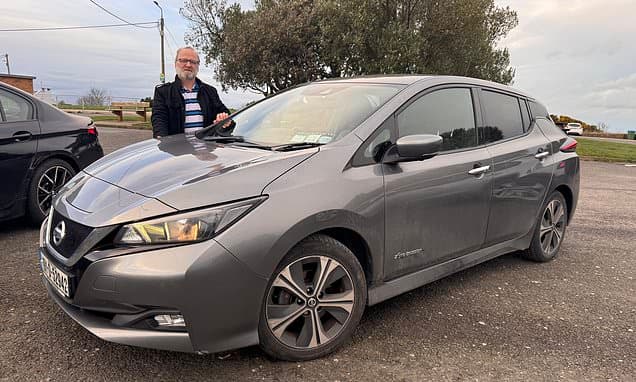
Following seismic events in the Middle East, Ireland's Taoiseach has called for an examination of potential price gouging in the fuel industry. Despite official scrutiny, fuel prices are expected to rise, prompting renewed interest in electric vehicles (EVs).
EV sales in Ireland reached a new milestone in January, with one in five new cars registered being fully electric. When hybrid vehicles are included, they constitute two-thirds of all new car sales, a record high. Last year saw a 35 percent increase in EV sales, adding 23,600 cars to the national fleet, driven by falling prices and improving range capabilities.
Range anxiety, a former barrier for EV adoption, is diminishing, especially in higher-priced models. Some EVs now boast ranges exceeding 720km, with one model claiming up to 810km, comparable to many internal combustion engine cars. Charging times have also significantly improved, with some models capable of gaining over 300km of range in just 10 minutes using high-speed chargers.
However, affordability remains a key consideration. While premium EVs offer extensive range, budget-friendly options often have lower ranges and performance. The Dacia Spring, priced at just over €17,000, offers a 225km range. Chinese manufacturers like BYD and Xpeng are introducing more affordable models, with some established brands also being Chinese-owned.
When considering running costs, EVs are substantially more economical. The Sustainability Energy Authority of Ireland (SEAI) estimates EVs cost two-thirds less to run per 100km compared to petrol or diesel cars, largely due to home charging rates. Even with higher public charging costs, strategic charging, such as using smart meters or availing of free charging points at retail locations, can significantly reduce expenses.
Installing a home charger, crucial for optimizing electricity rates, can cost between €500 and €800 after grants. While EV depreciation can be a concern, particularly for pricier models, many studies suggest that total ownership costs over several years can be competitive or even lower than comparable petrol or diesel vehicles. The economic advantage of EVs tends to increase with higher annual mileage.