Home / Business and Economy / Hormuz Toll: A "Blackmail Scheme" Threatening Oil Flow
Hormuz Toll: A "Blackmail Scheme" Threatening Oil Flow
4 Jul
Summary
- Iran's proposed Hormuz toll is labeled a "blackmail scheme" by former official.
- 121 tankers transited the Strait since reopening, lowering gas prices significantly.
- Geopolitical risks can rapidly alter crude oil prices, impacting recent declines.
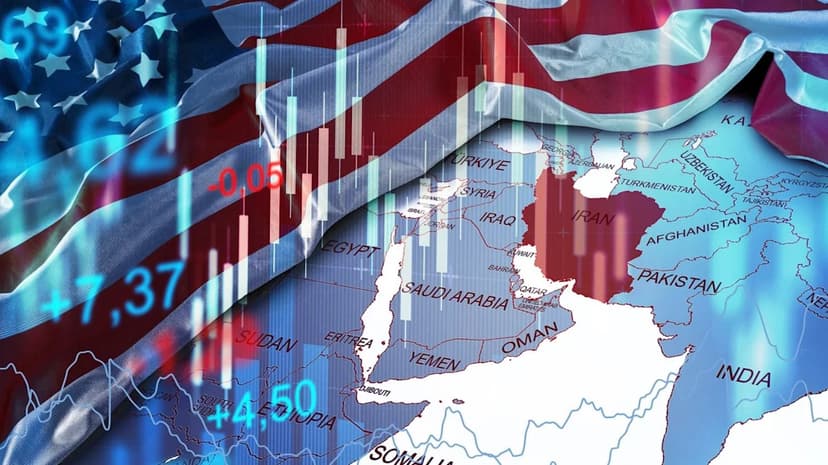
Victoria Coates, former deputy national security advisor, has described Iran's proposed $40 billion toll for passage through the Strait of Hormuz as a "blackmail scheme" rather than a legitimate revenue policy. Appearing on Fox Business on July 2, 2026, Coates emphasized the economic benefits from the Strait's recent reopening.
Since Monday, July 1, 2026, 121 ships have successfully traversed the Strait of Hormuz, contributing to a notable decrease in gasoline prices. As of June 29, 2026, U.S. regular gasoline averaged $3.83 per gallon, a 14.4% decline from its May 11 peak. Crude oil prices have also seen a sharp decrease, with WTI settling at $71.87 per barrel on June 29, 2026.
Coates asserted that regional allies like Saudi Arabia, Kuwait, UAE, Qatar, and Bahrain would likely resist Iran's toll demands. She noted that the Strait of Hormuz is international water, not maintained by Iran. The rapid price fluctuations in crude oil, such as WTI's movement between $55 and $115 over the past year, underscore the sensitivity of oil markets to geopolitical risks. Any escalation concerning the Strait could swiftly reverse the current downward trend in oil prices.


