Home / Business and Economy / Oil Tankers Halted: Global Reserves Unused Amid Iran War
Oil Tankers Halted: Global Reserves Unused Amid Iran War
10 Mar
Summary
- Iran war halted oil tankers, increasing global oil prices significantly.
- Global leaders are reluctant to tap into strategic oil reserves.
- IEA member countries hold over 1.2 billion barrels of emergency oil.
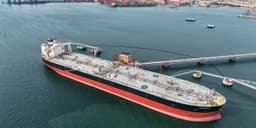
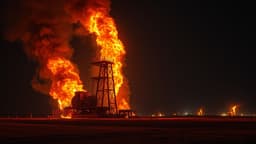
The ongoing conflict in Iran has severely disrupted oil tanker traffic through the Strait of Hormuz, a critical global energy passageway. This disruption has led to a substantial increase in oil prices, with international benchmarks experiencing a nearly 65% rise since the war began on February 28, 2026. Despite these escalating energy costs, major global powers have so far opted against releasing oil from strategic reserves.
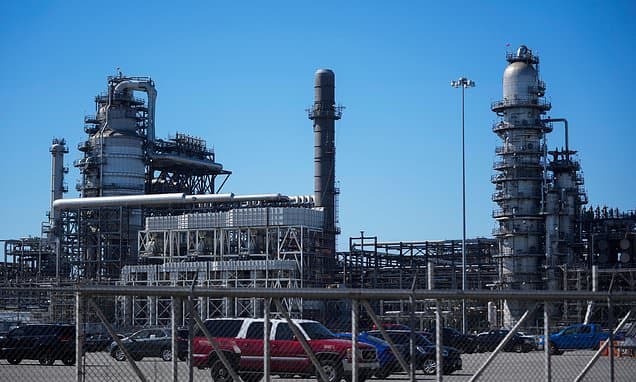
Countries maintain significant emergency oil stockpiles, such as the U.S. Strategic Petroleum Reserve, as a buffer against market disruptions. However, the decision to tap these reserves is a complex one, often requiring international consultation, including with the International Energy Agency. Factors like the duration of the conflict and the continued blockage of vital shipping routes are key considerations.
The International Energy Agency's 32 member nations are obligated to hold reserves equivalent to at least 90 days of imports. While these reserves have been utilized in past crises, leaders are currently exercising caution. Discussions among G7 nations on March 9, 2026, concluded without a decision to release reserves, though preparedness for coordinated action was affirmed. The mere discussion of reserve options is expected to have a stabilizing effect on global markets.