Home / Business and Economy / Beyond Oil: Iran War Sparks Fertilizer Supply Fear
Beyond Oil: Iran War Sparks Fertilizer Supply Fear
7 Mar
Summary
- Global fertilizer supply faces disruption due to the Iran conflict.
- This could lead to reduced crop yields and significant food price increases.
- India faces higher import costs and potential strain on its subsidy budget.
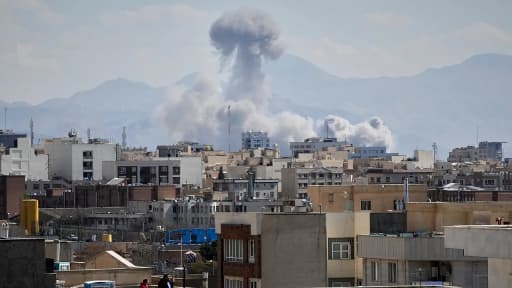
The ongoing conflict in the Strait of Hormuz, drawing global attention due to its impact on oil supplies, is now creating a critical risk for global food security. Beyond the immediate energy market reactions, disruptions to fertilizer production and shipping in the Gulf region are poised to trigger a significant agricultural crisis.
Key suppliers of essential fertilizer components like urea, sulfur, and ammonia are located in West Asia. The prolonged conflict in this region threatens to impact farmers globally as they prepare for crucial planting seasons. This disruption could result in reduced crop yields and a subsequent food inflation cycle that may outlast the current energy shock.
Compounding the issue, other major fertilizer producers like Russia face constraints that prevent them from compensating for supply shortfalls. China's export restrictions and reduced sulfur output further tighten global markets. This situation means that even with rising prices, new supply cannot quickly enter the market, affecting countries like Brazil and India.
The consequences are beginning to be felt, with farmers worldwide scrambling for supplies and some Indian fertilizer producers trimming output due to disrupted natural gas supplies. The full impact of these fertilizer shortages on agricultural production and staple food prices is anticipated to emerge months later, potentially rivaling past global food shocks.