Home / Business and Economy / Indonesia's Nickel Gamble Falters Amid EV Shift
Indonesia's Nickel Gamble Falters Amid EV Shift
18 Feb
Summary
- Indonesia tightens state control over its vast nickel supply.
- Global EV demand shifts away from nickel-intensive batteries.
- Forests cleared for nickel mining yielded little EV industry.
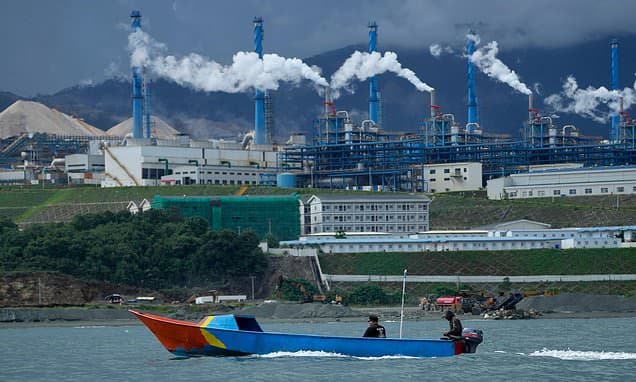
Indonesia is asserting greater state control over its substantial nickel reserves, a significant pivot as global demand for nickel in electric vehicle batteries begins to wane. This strategic shift follows years of Indonesia's focus on leveraging nickel to build a domestic EV industry, a goal that has yielded limited success despite extensive mining and forest clearing. The country's share of global nickel supply has surged, largely due to a ban on raw ore exports and subsequent investment in refining, primarily from China.
However, analysts caution that this increased control is occurring as the demand for nickel in EV batteries is declining. Many manufacturers are moving towards less nickel-intensive battery chemistries, such as lithium iron phosphate (LFP), which are cheaper and more stable. This transition poses a challenge to Indonesia's long-term strategy, which was heavily reliant on nickel as the backbone of its EV ambitions. The Indonesian government has also initiated a crackdown on illegal resource exploitation, seizing vast mining and plantation areas.
China remains a dominant player in Indonesia's nickel sector, essential for its stainless steel and clean-energy industries. Despite the global shift, Indonesia's nickel output is substantial, with reserves concentrated on the island of Sulawesi. The nation's efforts to develop its own EV industry have seen mixed results, with some foreign investment withdrawing. The current government actions could potentially alter global supply dynamics and influence trade negotiations, particularly with the United States, as both superpowers vie for access to critical minerals.