Home / Business and Economy / Walk This Way: India's Path to Cleaner Air & Smarter Cities
Walk This Way: India's Path to Cleaner Air & Smarter Cities
6 Feb
Summary
- Half of urban trips in India are under 10 km, ideal for walking.
- Footpaths cost ₹10 lakh/km versus ₹10 crore/km for roads.
- Walking boosts city economies, health, and cuts carbon emissions.
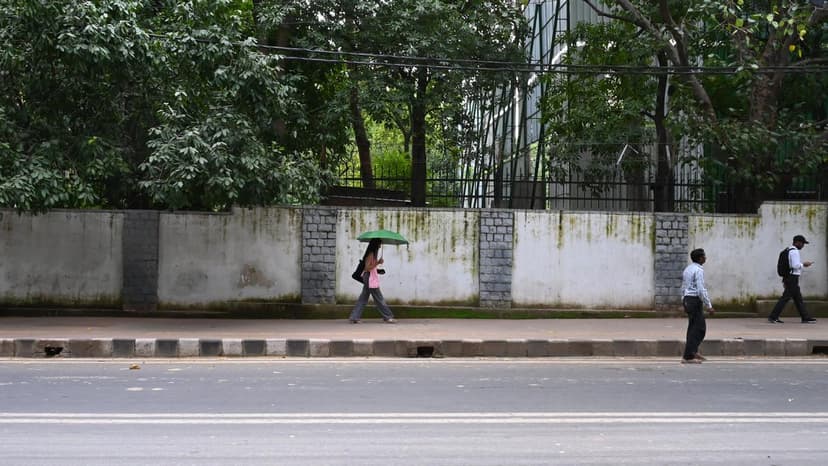
Indian cities are evolving into localized 'mini pocket cities' as residents seek amenities within a 5 km radius due to long commutes. Data reveals that 35% of urban trips are under 3 km, and 50% are under 10 km, presenting a vast potential for walking to reduce traffic congestion. The economic case is compelling: constructing a footpath costs approximately ₹10 lakh per km, a mere 1% of the ₹10 crore per km for a modern road.
While footpaths are foundational, their impact magnifies when integrated with public transport like metro networks and feeder buses. This synergy significantly lessens reliance on private vehicles, making urban travel more predictable. Global cities demonstrate diverse walking shares, from Hong Kong's 30-40% to Tokyo's 20-30%, showcasing how density and infrastructure shape pedestrian activity. For India, strategically planned walking paths alongside public transport offer a powerful alternative to car dependency.
Beyond easing traffic, walkable cities foster economic growth by increasing accessibility to business districts and retail areas, boosting commercial vibrancy. Furthermore, walking as a zero-carbon transport mode directly combats air pollution and reduces the urban carbon footprint. Encouraging physical activity through walkable environments also enhances citizen well-being and public engagement, laying a crucial foundation for more efficient, sustainable, and economically robust Indian urban centers.