Home / Business and Economy / India's Green Grid: Transmission Woes Hamper Renewables
India's Green Grid: Transmission Woes Hamper Renewables
1 Dec, 2025
Summary
- India aims for 500 GW non-fossil energy capacity by 2030.
- State-owned PGCIL secures 60% of new transmission projects.
- Transmission project delays create a 42% shortfall last fiscal year.
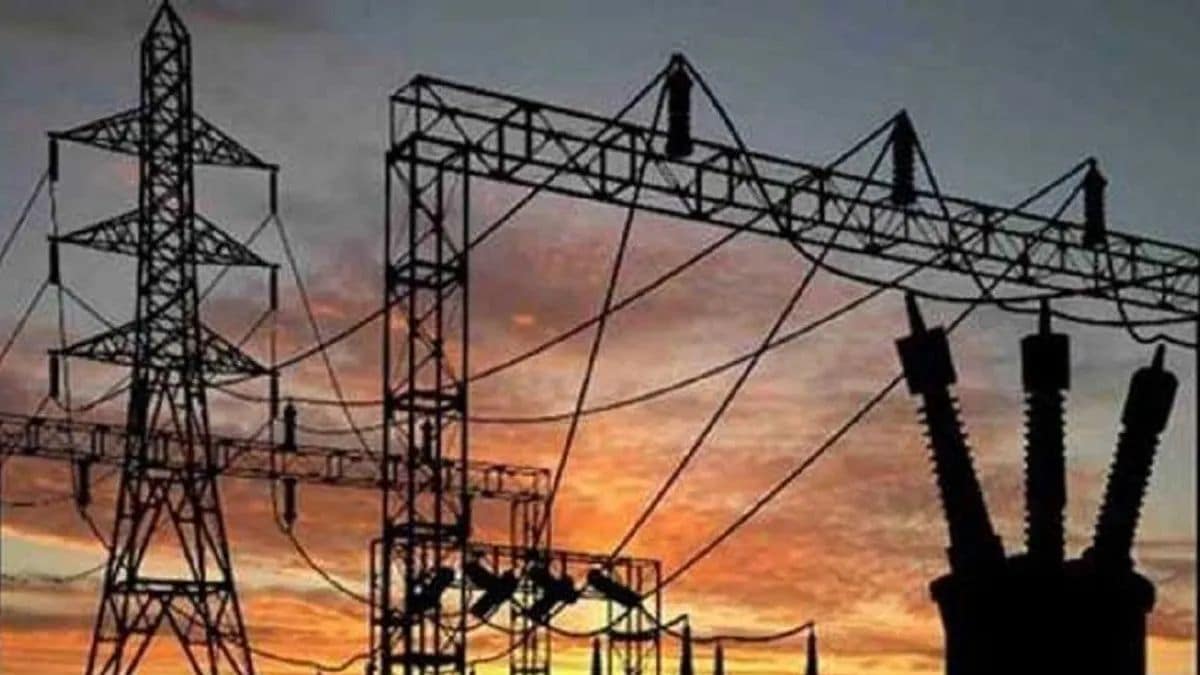
India's aspiration to achieve 500 GW of non-fossil energy capacity by 2030 hinges critically on the strength and efficiency of its interstate transmission network. While renewable generation capacity can be rapidly developed, transmission infrastructure requires significantly longer lead times, often exceeding four years for completion. The current national grid has achieved synchronous integration across all regional grids, a significant step forward.
The framework for Tariff-Based Competitive Bidding (TBCB) was introduced to foster a competitive environment involving both public and private entities. However, recent trends indicate a concerning concentration of project awards, with the state-owned Power Grid Corporation of India Ltd (PGCIL) securing a substantial portion. This consolidation raises questions about market competitiveness and the potential loss of private sector innovation and diverse technological adoption.
Consequently, India risks a shortfall in energy security and investor confidence. Delays in transmission projects lead to curtailment of renewable energy and financial losses for generators. To ensure progress, policy adjustments are needed, including rationalizing bid allocations, ensuring institutional neutrality, and revisiting the bidding model to prioritize quality alongside cost, thereby fostering a resilient and efficient grid for the nation's energy transition.