Home / Business and Economy / India's Sugar Sector Faces Policy Reversal Crisis
India's Sugar Sector Faces Policy Reversal Crisis
13 Mar
Summary
- Government policy shift risks undoing sugar industry's diversification.
- Rising farmer dues increase crop-switching risk for sugar production.
- Current geopolitical events impact global energy and sugar markets.
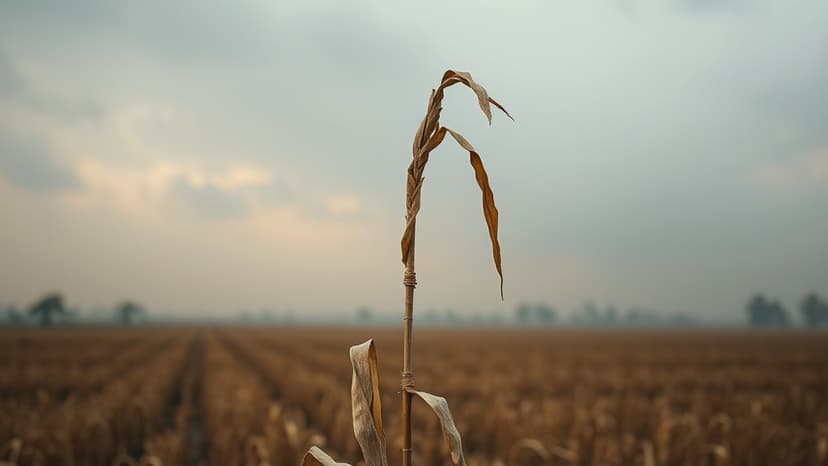
India's sugar industry, which transformed over the past decade into a diversified, ethanol-linked sector supported by government policy, now faces significant challenges. A combination of policy reversals, static price support, and geopolitical energy disruptions are threatening this progress, with cooperative mills in Maharashtra experiencing the most severe impact. Experts warn that continued unpaid farmer dues could lead to a shift from sugarcane to other crops, potentially undermining India's position as a reliable sugar exporter.
This structural concern arises after the industry moved away from its historical cyclical nature post-2014, largely due to ethanol diversification. The current policy environment risks reintroducing this cyclicality. While industrial gas disruptions have caused a minor, temporary dip in domestic consumption, the more significant variable remains the duration of ongoing geopolitical situations rather than a fundamental weakening of demand.
Regarding exports, India has a cleared quota of 15 lakh tonnes, though only two lakh tonnes have been shipped. Global sugar prices are high, and regional buyers are seeking supplies. However, the end of the crushing season limits the ability to produce additional raw sugar for international markets at this time, making mill financial stability a critical immediate challenge.