Home / Business and Economy / Monsoon's Pulse Check: India Faces Crop Risk
Monsoon's Pulse Check: India Faces Crop Risk
29 Jul
Summary
- Pulse acreage fell over 7% as of July 24, 2026, due to delayed monsoon.
- Experts caution that current sowing numbers may not reflect final production.
- India relies on imports, spending billions to meet annual pulse consumption.
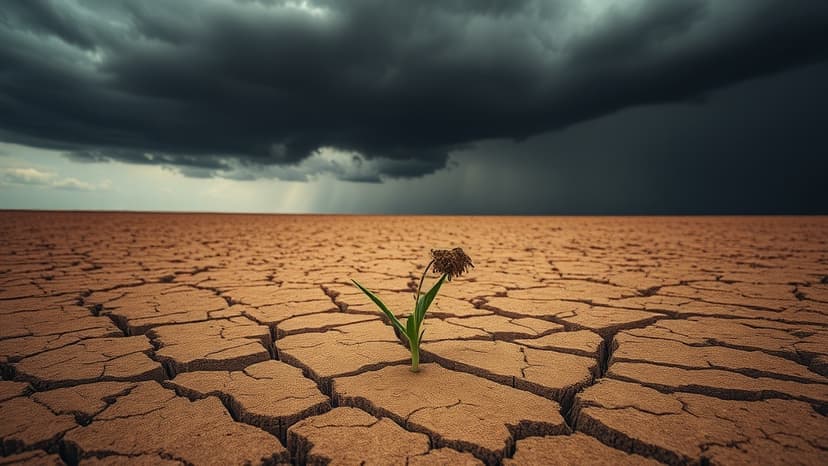
As of July 24, 2026, India's kharif pulse cultivation has seen a year-on-year decrease of over 7%, with acreage falling to just over 84 lakh hectares. This shortfall is attributed to the delayed and irregular southwest monsoon rains affecting key pulse-growing regions. Tur, moong, and urad sowing have all experienced declines compared to the previous year.
Government data indicates monsoon rains from June 1 to July 24 were 16.1% below normal, with the East and Northeast regions facing the largest deficit. This situation intensifies concerns about India's reliance on imports, as the country annually imports millions of tonnes of pulses, spending billions of dollars to bridge the gap between domestic production and consumption.
While S. Mahendra Dev, Chairman of the Prime Minister's Economic Advisory Council, suggested that the impact might not be significant and sufficient government stocks are available, industry experts express caution. Bimal Kothari, Chairman of the India Pulses and Grains Association, highlighted that inadequate rainfall in major growing states like Rajasthan and Madhya Pradesh could significantly impact yields.
Kothari noted that while sowing has improved recently, final production depends on follow-up rains. August and September rainfall patterns are crucial, and any scarcity could lead to a substantial production shortfall. The government's decision to allow free imports until March 31, 2027, and substantial buffer stocks are seen as mitigating factors.
Further complicating the outlook are currency depreciation and import duties. The weakening rupee has increased import costs, and existing duties on lentils and chickpeas add to the landed costs. Australia's reduced chickpea output also impacts global supply. The upcoming rabi crop harvest around February 2027 will be critical for overall availability, with policymakers also needing to consider the peaking El Niño conditions during October-December 2026.


