Home / Business and Economy / India Eyes Mideast Export Boom Post-Peace Deal
India Eyes Mideast Export Boom Post-Peace Deal
15 Jun
Summary
- Indian businesses increase production and shipping capacity.
- FMCG, carmakers, and construction firms scale up operations.
- Peace deal expected to lower freight costs and boost margins.
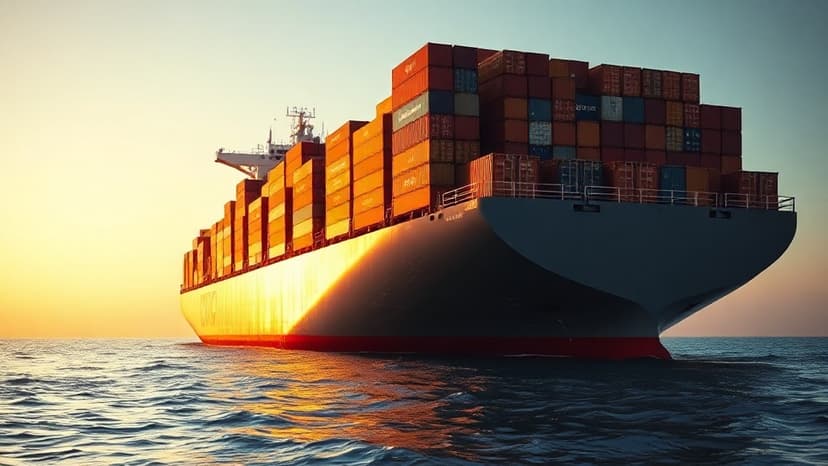
Indian businesses are poised for a substantial increase in Middle Eastern demand, spurred by a recently established peace agreement. Companies are proactively boosting production levels and securing necessary shipping capacity, aiming to restore export levels that were previously hampered by conflict.
Major Fast-Moving Consumer Goods (FMCG) companies, including AWL Agri Business, Parle Products, and Dabur, are elevating their factory capacity utilization for the Gulf market. Similarly, Maruti Suzuki is preparing to scale up its exports to the Middle East, a crucial market that previously represented over 12% of its overseas sales.
JCB India, a leading construction equipment manufacturer, is positioning itself to capitalize on reconstruction-driven demand. Electrical goods manufacturers like Havells and Blue Star also anticipate a business recovery. Angshu Mallick of AWL Agri Business noted that freight costs, which included a war surcharge, are expected to normalize, potentially leading to a 5-9% decrease in staple prices.
This renewed engagement with Middle Eastern markets is facilitated by geographic proximity and a large Indian diaspora. Companies like Marico, Dabur, and Havells derive substantial portions of their international revenue from this region, underscoring its strategic importance. The normalization of supply chains is expected to improve margins and streamline operations for exporters.


