Home / Business and Economy / India's Jewelers Go Public for Growth
India's Jewelers Go Public for Growth
18 Aug
Summary
- Indian jewellery retail shifts towards larger chains.
- Mandatory hallmarking raises compliance costs for smaller players.
- Retailers use public listings to fund expansion and brand building.
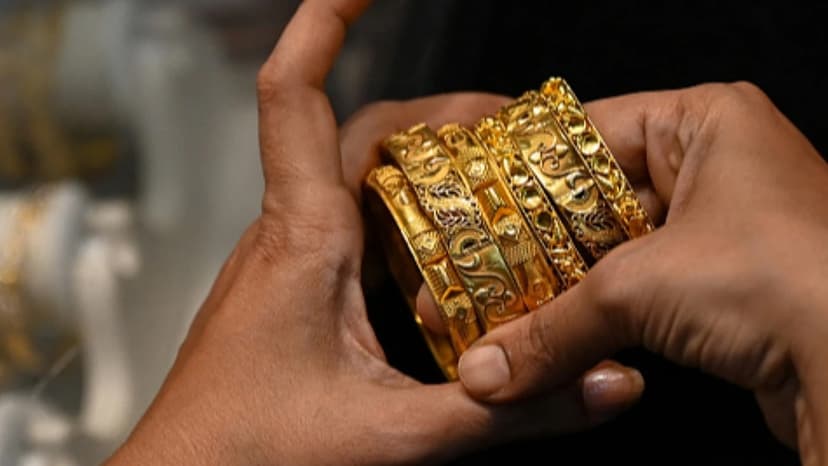
India's jewellery retail landscape is undergoing a significant transformation, transitioning from a fragmented, unorganized market to one dominated by larger chains. This evolution is marked by standardized pricing, adherence to hallmarking regulations, and a multi-city presence, with regional players increasingly leveraging public markets for funding expansion.
Several factors are fueling this consolidation. Mandatory hallmarking rules have escalated compliance costs, benefiting larger entities with established infrastructure. Consumers now favor branded stores that offer consistent making charges and buyback policies. Furthermore, access to organized credit has become more attainable for listed or soon-to-be-listed companies, enabling them to finance growth.
Jewellery retailers face unique working capital demands due to the substantial capital tied up in gold inventory. While margins may appear thin percentage-wise, high sales volumes and repeat purchases during festive and wedding seasons can ensure profitability. Investors should analyze same-store sales growth, inventory financing debt, and the proportion of revenue from making charges versus gold value for a comprehensive understanding.
Seasonal demand, particularly around festivals like Diwali and Akshaya Tritiya, and the peak wedding season, significantly influences annual revenues. Analysts typically prefer year-on-year trends over sequential quarterly comparisons to account for this seasonality. Factors such as gold price fluctuations, import duty adjustments, and evolving consumer preferences for lighter designs also impact performance beyond the listing period.


