Home / Business and Economy / India's Healthcare Boom: A Costly Miracle?
India's Healthcare Boom: A Costly Miracle?
18 Sep
Summary
- Private hospitals cost 5-10 times more than government facilities.
- Over $30bn in PE/M&A deals occurred between 2022 and 2024.
- A government report warns of a deepening healthcare affordability crisis.
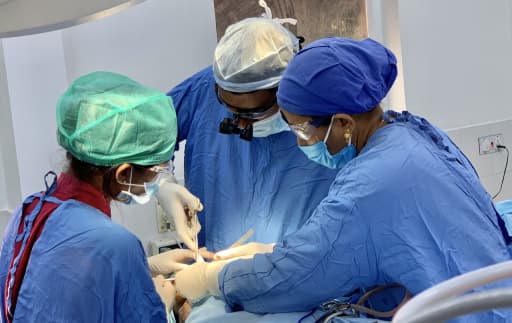
India's private healthcare industry is witnessing a significant boom, characterized by rapid expansion and substantial investment. Hospitals are adding thousands of beds, diagnostic chains are growing, and medical institutes are raising capital for nationwide expansion. This surge has attracted nearly $30 billion in private equity and M&A transactions between 2022 and 2024, with hospitals receiving 40% of these funds.
Despite this infrastructural improvement, a government panel's report reveals a deepening affordability crisis. Treatment in private hospitals is reportedly five to ten times costlier than in government facilities. The report criticizes the 'unbridled' growth and 'rampant commercialisation,' leading to exorbitant pricing, excessive billing, and unnecessary diagnostics, pushing vulnerable households into debt.
Proposed solutions include capping hospital room tariffs, regulating prices for treatments and diagnostics, and implementing standard treatment guidelines. However, the private healthcare sector argues for focusing on reducing structural costs like taxes and capital rather than imposing rate caps. They warn that such measures could stifle investment and deter foreign investors seeking risk-free returns.
Public health experts emphasize the need for price regulation, given the 'seller's market' dynamics and 'super profits' some hospitals are making. They also stress the critical importance of strengthening public healthcare. India's government health expenditure, currently at 1.4% of GDP, falls short of national and WHO targets, contributing to citizens' reliance on expensive private care and resulting in catastrophic out-of-pocket expenditure.


