Home / Business and Economy / Mideast Conflict Hits India Growth, Not Inflation
Mideast Conflict Hits India Growth, Not Inflation
5 Mar
Summary
- Middle East conflict expected to impact India's growth more than inflation.
- Oil prices rose 15%, disrupting gas flows and markets.
- RBI may keep interest rates low despite market volatility.
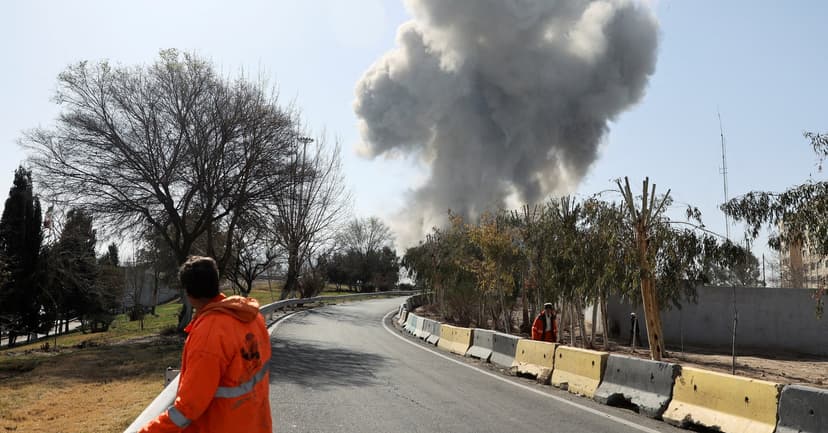
The escalating conflict in the Middle East is projected to exert a greater influence on India's economic growth than on its inflation levels. This assessment suggests the Reserve Bank of India will likely maintain its current interest rate policy. The geopolitical tensions have already driven oil prices up by about 15%, disrupted vital gas flows, and caused significant volatility across Indian financial markets, including a record low for the rupee.
Policymakers' current outlook appears to diverge from market reactions, which have priced in potential rate hikes. Despite these market expectations, sources indicate the central bank is unlikely to adopt a hawkish stance unless extreme geopolitical developments occur. Immediate growth risks stem from potential disruptions to natural gas supplies, which could impact sectors like fertilizers and power, potentially hindering economic expansion for at least one quarter.
Analysts suggest that if oil prices remain persistently high, India's growth could moderate from over 7% to around 6.5% in the upcoming fiscal year. However, inflation is expected to rise more modestly in the near term. Retail fuel prices in India have not mirrored global crude oil increases, and the government has options to mitigate consumer impact. This buffer allows the RBI to focus on growth risks, potentially keeping monetary policy less aggressive than market reactions might imply.