Home / Business and Economy / India's Green Hydrogen Costs to Halve by 2030
India's Green Hydrogen Costs to Halve by 2030
6 Jan
Summary
- Green hydrogen costs may drop by nearly 50% by 2030.
- Falling renewable power and electrolyser prices will drive down costs.
- National Green Hydrogen Mission aims to significantly reduce costs.
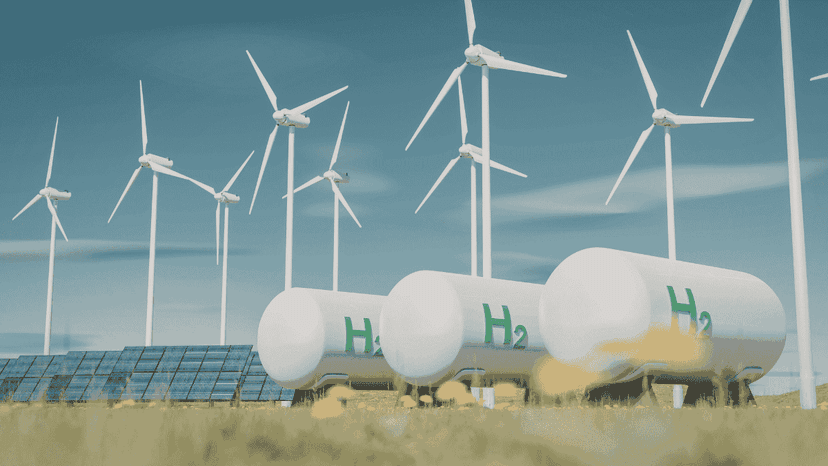
India's green hydrogen costs are expected to decrease by almost half, reaching approximately $1.6 per kg by 2030. This significant drop is anticipated due to a combination of factors including cheaper renewable power, falling electrolyser prices, and robust policy support under the National Green Hydrogen Mission. Companies such as Reliance Industries and Waaree are poised to benefit from this projected cost reduction and subsequent demand increase.
Key drivers for lower green hydrogen prices include a decline in renewable electricity tariffs and a substantial reduction in electrolyser stack costs, potentially falling by 75% to nearly $38 per kW. Policy measures, like waiving power banking and open-access charges, are estimated to reduce costs by about 24%. The National Green Hydrogen Mission, with a $2.5 billion outlay, aims to bolster infrastructure and production-linked incentives for electrolyser manufacturing.
Fertilizers and refining sectors are identified as primary demand drivers, with demand expected to reach 6.1 mtpa and 4.5 mtpa respectively by 2030. Despite lower capital expenditure on solar and wind projects compared to global peers, India faces challenges with higher financing costs and lower Plant Load Factors, impacting its global competitiveness. However, with government incentives and market improvements, green hydrogen costs are expected to become more competitive.