Home / Business and Economy / India's Economy Runs on Dole: Poverty Fight Shifts
India's Economy Runs on Dole: Poverty Fight Shifts
19 Jun
Summary
- Government cash transfers have grown 20 times since 2015.
- Monthly cash transfers cover over half of expenses for the poorest.
- Unemployment and rising inflation make cash a crucial buffer.
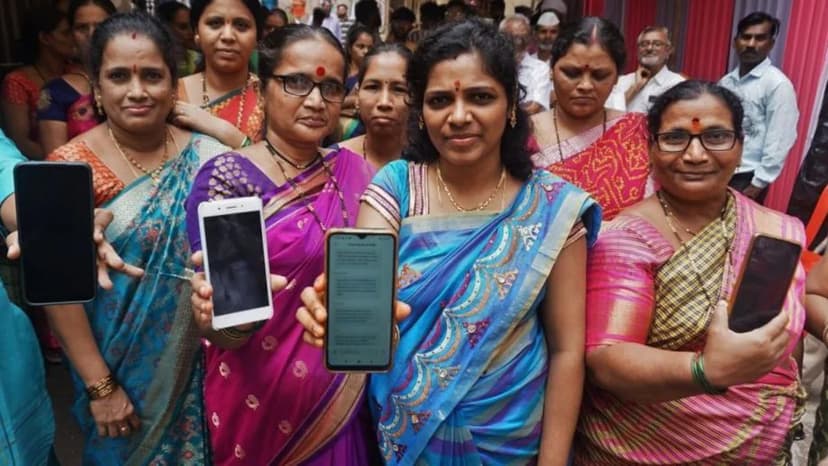
India's economic strategy is increasingly focused on direct cash transfers to alleviate poverty. Federal and state governments have dramatically expanded these welfare programs over the past decade, with allocations growing more than twentyfold to nearly $30 billion. These transfers now constitute nearly 1% of India's GDP.
Seventeen Indian states and one federal territory now offer monthly cash transfers, a significant increase from just four in 2019. These funds, typically ranging from $10.5 to $2500 rupees, are critical for household consumption, covering over half the monthly expenditure for the poorest households.
As of 2026, programs are expanding beyond women and farmers to include unemployed youth. This shift aims to provide "bridge income" amid growing concerns about unemployment exacerbated by AI and climate shocks. However, these growing transfer schemes present a fiscal challenge, contributing to states' revenue deficits.
Despite these fiscal anxieties, cash transfers are emerging as a key tool to tackle weak household consumption and chronic unemployment. They offer a crucial buffer against economic risks such as inflation and the El Niño phenomenon, supporting India's fastest-growing major economy.


