feedzop-word-mark-logo
searchLogin
Feedzop
homeFor YouIndiaIndia
You
bookmarksYour BookmarkshashtagYour Topics
Trending
Terms of UsePrivacy PolicyAboutJobsPartner With Us

© 2026 Advergame Technologies Pvt. Ltd. ("ATPL"). Gamezop ® & Quizzop ® are registered trademarks of ATPL.

Gamezop is a plug-and-play gaming platform that any app or website can integrate to bring casual gaming for its users. Gamezop also operates Quizzop, a quizzing platform, that digital products can add as a trivia section.

Over 5,000 products from more than 70 countries have integrated Gamezop and Quizzop. These include Amazon, Samsung Internet, Snap, Tata Play, AccuWeather, Paytm, Gulf News, and Branch.

Games and trivia increase user engagement significantly within all kinds of apps and websites, besides opening a new stream of advertising revenue. Gamezop and Quizzop take 30 minutes to integrate and can be used for free: both by the products integrating them and end users

Increase ad revenue and engagement on your app / website with games, quizzes, astrology, and cricket content. Visit: business.gamezop.com

Property Code: 5571

Home / Business and Economy / India's $5 Trillion Economy: Goal Delayed by 4 Years

India's $5 Trillion Economy: Goal Delayed by 4 Years

19 Dec, 2025

Summary

  • India's $5 trillion economy goal is now projected for 2028-29, not mid-decade.
  • A weaker rupee is significantly impacting the dollar valuation of India's GDP.
  • Despite delays, India remains the world's fastest-growing major economy.
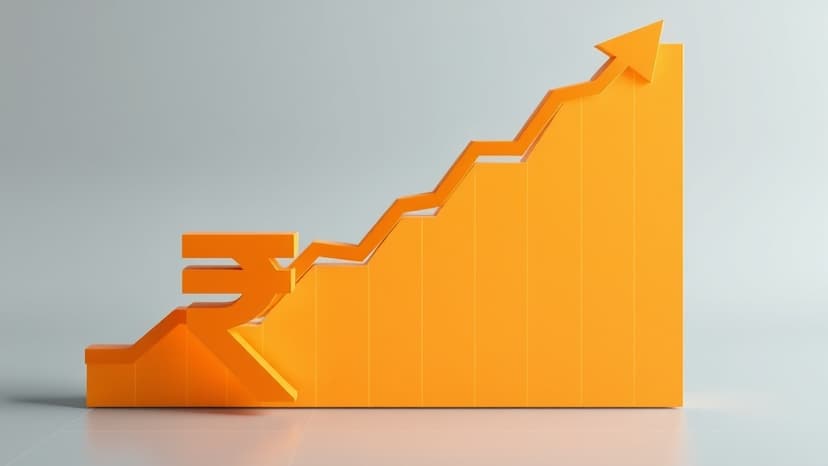
India's $5 Trillion Economy: Goal Delayed by 4 Years

India's target of achieving a $5 trillion economy by 2024-25 has been revised, with the IMF now projecting this milestone to be reached around 2028-29. Senior ministers had previously championed the earlier date as a near-term goal that would significantly improve citizens' lives through job growth and increased income.

The shift in the timeline is largely attributed to the rupee's recent slide to record lows against the dollar, which reduces the dollar equivalent of India's nominal GDP. Despite this currency-driven adjustment, the underlying economic growth is still robust, with the IMF and RBI forecasting strong real GDP growth for the coming years. India is expected to maintain its position as the world's fastest-growing major economy.

For citizens and investors, the delayed timeline suggests a need for adjusted financial expectations. While not directly impacting salary hikes or job creation overnight, it means a slower rise in per-capita incomes. The current economic phase is characterized by low inflation and interest rates, offering opportunities for refinancing and rebalancing savings, but a weaker rupee poses a ceiling on potential rate cuts.

Disclaimer: This story has been auto-aggregated and auto-summarised by a computer program. This story has not been edited or created by the Feedzop team.
The IMF now projects India's economy to reach $5 trillion around 2028-29, a delay from earlier mid-decade targets.
The delay is primarily due to the depreciation of the Indian rupee against the US dollar, affecting the dollar valuation of India's GDP.
While the delay doesn't automatically mean fewer jobs or pay cuts, it implies a slower rise in per-capita incomes over time.

Read more news on

Indiaside-arrowBusiness and Economyside-arrow
•
trending

Chelsea beats West Ham 3-2

trending

Liverpool, Newcastle face injury woes

trending

WWE Royal Rumble in Riyadh

trending

Barcelona faces Elche in LaLiga

trending

Goretzka staying at Bayern Munich

trending

ICC T20 World Cup squads

trending

Gold, silver ETFs crashed

trending

Curran, Pandya T20Is stats compared

trending

Suryakumar Yadav T20I record

You may also like

Rupee Hits Record Low, RBI Steps In

1 day ago • 17 reads

article image

India's Forex Reserves Surge Past $687 Billion

16 Jan • 114 reads

RBI Defends Rupee: Intervention Pushes Currency Higher

7 Jan • 170 reads

article image

Rupee to Fall: RBI Reserves Drawdown a Major Worry

7 Jan • 156 reads

article image

Indian Stocks: Entry Points in Underperformance?

2 Jan • 176 reads

article image