Home / Business and Economy / Middle East Crisis Threatens Indian Tea Exports
Middle East Crisis Threatens Indian Tea Exports
2 Mar
Summary
- Middle East conflict jeopardizes supply chains for key Indian tea markets.
- Approximately 45-50% of India's total tea exports go to the Middle East region.
- Rerouting via Cape of Good Hope could increase transit time by over 25 days.
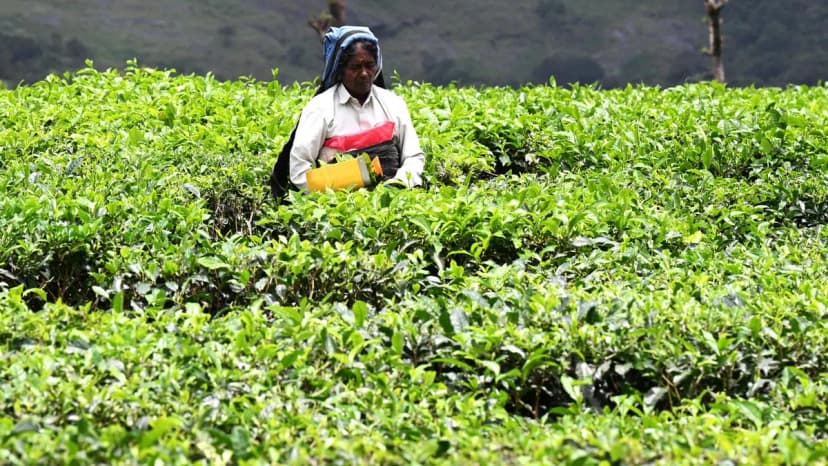
The escalating conflict in the Middle East is creating significant supply chain disruptions for Indian tea exporters targeting crucial Gulf markets. Around 45-50% of India's total tea exports are destined for this volatile region, underscoring its strategic importance. Key markets include Iraq and the UAE, which have historically received substantial volumes of Indian tea.
Instability along trade routes, particularly through the Strait of Hormuz, poses critical risks. If the conflict persists, Indian tea shipments could face serious delays and increased costs due to higher freight charges and insurance premiums. This disruption strains existing supply chains and threatens timely delivery.
Furthermore, a prolonged conflict might compel shipping lines to divert cargo around the Cape of Good Hope instead of using the Suez Canal. Such a rerouting would extend transit times by over 25 days and increase freight costs by up to 40%. These escalating logistics expenses and delivery delays could diminish the competitiveness and profitability of Indian tea exports in the global marketplace.