Home / Business and Economy / 2026: India's Worst Stock Market Year Since 2011?
2026: India's Worst Stock Market Year Since 2011?
30 Sep
Summary
- Indian equities face potential double-digit losses, worst since 2011.
- Global factors like US-Iran conflict and crude oil prices impact markets.
- Domestic issues include falling rupee, weak agriculture, and foreign selling.
As of September 30, 2026, Indian domestic equities are experiencing their most challenging year in over a decade, with the market facing double-digit losses. This downturn contrasts sharply with the preceding decade of uninterrupted gains. Several global and domestic factors are contributing to the persistent downward pressure.
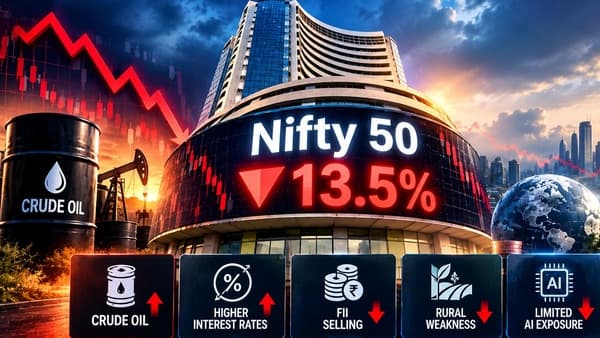
Geopolitical events, specifically the US attacks on Iran in February 2026, significantly altered the equity market's backdrop. Domestically, a depreciating rupee, limited exposure to artificial intelligence, deteriorating agricultural conditions, and continuous selling by overseas investors have placed the Nifty 50 on course for its first annual decline in ten years. The index has fallen 13.5% year-to-date, marking its largest annual drop since 2011.
Persistent high crude oil prices, with Brent crude remaining above $100 per barrel, are fueling global inflation and impacting India significantly, as it imports approximately 80% of its crude oil. This situation, coupled with global rate hikes from major central banks, raises concerns about potential tightening measures by the Reserve Bank of India. Higher interest rates generally diminish equity appeal due to increased corporate funding costs.
Furthermore, the rural economy is under strain due to lower rainfall attributed to El Niño and volatile input costs stemming from the Middle East conflict. This is particularly concerning given the agriculture sector's substantial contribution to India's economy and employment. These combined pressures have led foreign investors to withdraw billions from the Indian stock market, with selling expected to continue amid anticipations of further US Federal Reserve rate hikes. India's relatively limited AI exposure is also seen as a factor diminishing its attractiveness to foreign investors.


