Home / Business and Economy / India Eyes Asia, Middle East Steel Markets Amid EU Carbon Tax
India Eyes Asia, Middle East Steel Markets Amid EU Carbon Tax
17 Feb
Summary
- India seeks new steel export destinations in Middle East and Asia.
- EU's carbon tax introduced in January pressures existing European market.
- Government exploring raw material supply chain agreements globally.
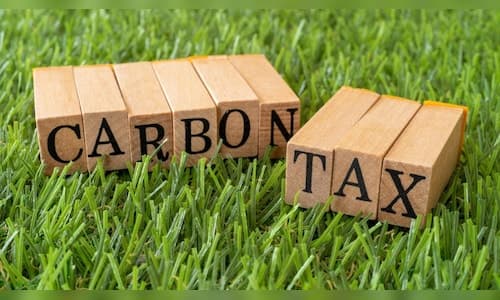
India is strategically pivoting its steel export strategy, actively seeking new markets in the Middle East and Asia. This shift is a direct response to the European Union's Carbon Border Adjustment Mechanism (CBAM), which was implemented in January. The EU's carbon tax has placed pressure on India's traditional steel export routes, as roughly two-thirds of its shipments historically went to Europe.
A government source indicated that India is looking to establish agreements with countries in the Middle East, driven by the region's burgeoning infrastructure projects. Concurrently, efforts are being made to expand into Asian markets, aiming to diversify away from a heavy reliance on Europe.
Beyond export destinations, India is also focusing on securing its raw material supply chain. This includes pursuing long-term offtake agreements and asset acquisitions for essential materials like coking coal, limestone, and manganese. Major steel players like SAIL and NMDC are exploring opportunities in countries such as Brazil, Argentina, Australia, and the Middle East.
Currently, India imports approximately 95% of its coking coal needs, with Australia being the largest supplier. The country is actively looking to secure these supplies through various international collaborations and investments in overseas assets, particularly in Australia and Indonesia.