Home / Business and Economy / Monsoon Woes: India's Paddy Harvest Faces Shrinkage
Monsoon Woes: India's Paddy Harvest Faces Shrinkage
4 Jul
Summary
- Paddy cultivation area may decrease due to weak monsoon and El Niño.
- Government rice stocks are ample, easing immediate food security fears.
- Other kharif crops like oilseeds, cotton, and pulses also show reduced sowing.
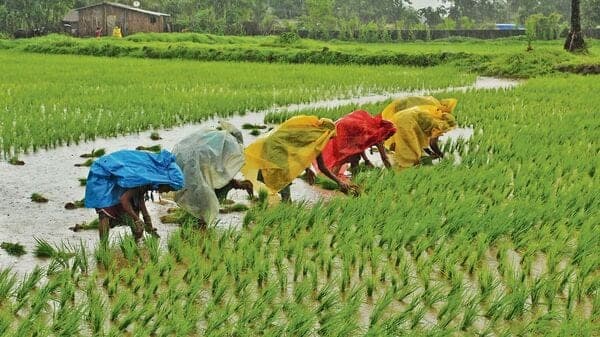
The area dedicated to paddy cultivation in India may contract during the current kharif season. This potential reduction is attributed to below-normal monsoon rainfall and the anticipated effects of El Niño, according to sources familiar with the matter.
A smaller harvest of paddy, the nation's primary staple and a key element in inflation, could decrease overall rice production. This might subsequently drive up prices, particularly if reduced acreage is combined with diminished yields.
However, considerable government rice reserves are in place, which are expected to buffer any immediate supply disruptions and mitigate concerns about national food security.
As of June 26, paddy had been sown across 2.57 million hectares, a notable decrease from the 3.44 million hectares covered during the same period last year. Other significant kharif crops are also showing reduced sowing areas, including oilseeds, cotton, and pulses.
Farmers are being advised to consider adopting short-duration paddy varieties and direct seeded rice (DSR) techniques to manage potential challenges related to water scarcity and delayed monsoon progress, which could also increase irrigation costs.


