

Home / Business and Economy / India's Metro Boom: Empty Trains, Big Bills
India's Metro Boom: Empty Trains, Big Bills
20 Apr
Summary
- Mumbai's Aqua Line metro sees low passenger numbers.
- Most Indian metro systems miss projected ridership targets.
- Government invested over $26bn in metro expansion since 2014.
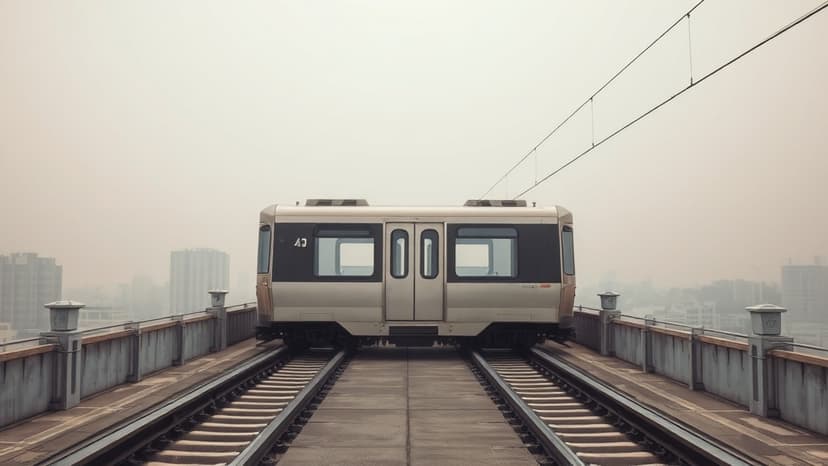
India's extensive metro network expansion, backed by over $26 billion in government investment since 2014, is encountering a significant challenge: critically low passenger numbers. Lines like Mumbai's Aqua Line, connecting key business districts and airport terminals, are operating with a fraction of their projected ridership, with stations appearing deserted.
Across the nation, most metro systems are failing to meet their initial ridership forecasts. Studies indicate that many corridors achieve only 25-35% of projected passenger numbers, with some tier-3 cities experiencing as low as 2% utilization. This trend contrasts sharply with the significant growth in network length.
While Delhi's metro has seen usage surpass projections, this is partly attributed to a change in how trips are counted. Experts suggest that high operational costs may be deterring potential passengers, raising questions about the sustainability and efficiency of the current rapid expansion of India's urban rail transit.
