feedzop-word-mark-logo
searchLogin
Feedzop
homeFor YouIndiaIndia
You
bookmarksYour BookmarkshashtagYour Topics
Trending
trending

Tatsuro Taira defeats Brandon Moreno

trending

Goa club fire kills 25

trending

Noel Tata largest stakeholder

trending

CLAT 2026 exam guidelines

trending

East Bengal faces FC Goa

trending

Desert Vipers beat Knight Riders

trending

Højlund scores early vs Juventus

trending

Delhi pollution source study ordered

Terms of UsePrivacy PolicyAboutJobsPartner With Us

© 2025 Advergame Technologies Pvt. Ltd. ("ATPL"). Gamezop ® & Quizzop ® are registered trademarks of ATPL.

Gamezop is a plug-and-play gaming platform that any app or website can integrate to bring casual gaming for its users. Gamezop also operates Quizzop, a quizzing platform, that digital products can add as a trivia section.

Over 5,000 products from more than 70 countries have integrated Gamezop and Quizzop. These include Amazon, Samsung Internet, Snap, Tata Play, AccuWeather, Paytm, Gulf News, and Branch.

Games and trivia increase user engagement significantly within all kinds of apps and websites, besides opening a new stream of advertising revenue. Gamezop and Quizzop take 30 minutes to integrate and can be used for free: both by the products integrating them and end users

Increase ad revenue and engagement on your app / website with games, quizzes, astrology, and cricket content. Visit: business.gamezop.com

Property Code: 5571

Home / Business and Economy / India Diversifies Fertilizer Sources Amid China Supply Squeeze

India Diversifies Fertilizer Sources Amid China Supply Squeeze

5 Dec

•

Summary

  • India is importing speciality fertilisers from Germany, Egypt, and others due to China's restrictions.
  • Indigenous nano and bio-fertiliser solutions are being advanced to reduce import dependence.
  • China supplied 65.65% of India's water-soluble fertiliser imports in FY 2024-25.
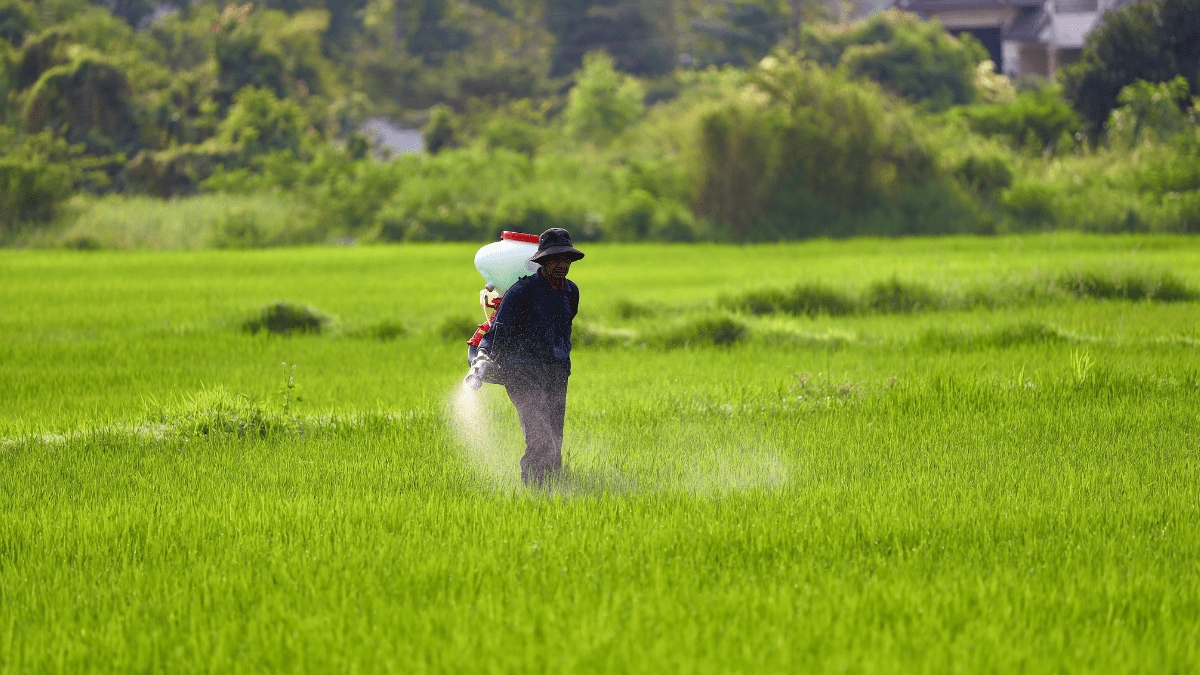
India Diversifies Fertilizer Sources Amid China Supply Squeeze

India is actively seeking alternative international suppliers for speciality fertilisers amidst reports of China curtailing exports over recent months. Companies are now turning to Belgium, Egypt, Germany, Morocco, and the United States to mitigate the impact of these supply disruptions. Speciality fertilisers are currently unsubsidised and fall outside the government's Nutrient Based Subsidy scheme, allowing companies flexibility in their import decisions based on market conditions.

Concurrently, India is intensifying efforts towards self-sufficiency in nutrient management. Research institutions, including the Indian Council of Agricultural Research (ICAR) and State Agricultural Universities, are spearheading the development of indigenous alternatives. These include advanced solutions like zinc EDTA, boron blends, nano-fertilisers, and bio-fertilisers enriched with essential micronutrients, aiming to lessen import dependency.

Data reveals China's significant share in India's fertiliser imports. In the 2024-25 fiscal year, China accounted for 65.65% of India's total water-soluble fertiliser imports, amounting to 1.71 lakh tonnes out of 2.60 lakh tonnes. This highlights the strategic importance of India's push for developing its own fertiliser technologies and diversifying its import base to ensure agricultural stability.

Disclaimer: This story has been auto-aggregated and auto-summarised by a computer program. This story has not been edited or created by the Feedzop team.
India is diversifying fertilizer imports as China has reportedly restricted its supplies of speciality fertilisers.
India is developing nano-fertilisers, bio-fertilisers, and customised nutrient blends to reduce import reliance.
In fiscal year 2024-25, China supplied 65.65% of India's total water-soluble fertiliser imports.

Read more news on

Indiaside-arrowBusiness and Economyside-arrowChinaside-arrow

You may also like

India Rises: 3rd Most Powerful in Asia!

28 Nov • 89 reads

article image

India's Sugar Sector Taps Global Carbon Markets

26 Nov • 17 reads

article image

Fluoride Safe for Cognition, New Study Shows

20 Nov • 56 reads

article image

Climate Change: Can We Blame It For Disasters?

20 Nov • 100 reads

article image

India's Wheat Fields Hit Record High

18 Nov • 78 reads

article image